


LASIK Surgery

LASIK (laser-assisted in situ keratomileusis) is the most popular refractive surgical procedure. In this procedure, a laser is used to permanently change the shape of the cornea (the clear covering on the front of the eye) to correct common vision problems such as nearsightedness, farsightedness, astigmatism, and presbyopia. This improves vision and reduces a person's need for glasses or contact lenses.
LASIK uses an excimer laser (an ultraviolet laser) to remove a thin layer of corneal tissue, giving the cornea a new shape, so that light rays are focused clearly on the retina. In the case of a nearsighted person, the goal of LASIK is to flatten the too-steep cornea; with farsighted people, a steeper cornea is desired. LASIK can also correct astigmatism by smoothing an irregular cornea into a more normal shape.
LASIK is an outpatient surgical procedure with no need to stay at the surgery center overnight, as it will take 10 to 15 minutes to perform for each eye. The procedure is done while the patient is awake, but the patient may request mild sedation. The only anesthetic used is eye drops that numb the surface of the eye. LASIK can be done on one or both eyes during the same session.
How to Prepare for LASIK Eye Surgery?
Before LASIK eye surgery, the eye surgeon will evaluate the patient’s medical history and perform a full eye examination, including measuring corneal thickness, refraction, corneal mapping, eye pressure, and pupil dilation. Afterward, the surgeon will discuss what to expect during and after the procedure.
On the day of the surgery, eat a light meal before going to the doctor and take all prescribed medications, if any. Do not wear eye makeup, creams, perfumes, or lotions on the day before and the day of surgery, or have any bulky hair accessories that will interfere with positioning the head under the laser.
Contact lenses shouldn't be worn for at least three days prior to the evaluation. In the case of rigid gas permeable contact lenses, they should not be worn for at least three weeks before. Patients should arrange for a ride home from the place of surgery, as their vision might be blurry.

What Happens During LASIK Eye Surgery?
The LASIK surgeon uses a computer to adjust the laser for each patient’s particular prescription. An instrument to hold the eyelids open may be used, and the patient will be asked to look at a target light for a short time while the laser sends pulses of light to painlessly reshape the cornea. During LASIK eye surgery, a suction ring is placed on the eye just before cutting the corneal flap that may cause a feeling of pressure and may cause vision to dim slightly. Then, an instrument called a femtosecond laser is used to create a thin flap in the cornea. The corneal flap is then painlessly peeled back, and the underlying corneal tissue is reshaped using another laser. After the cornea is reshaped so that it can properly focus light onto the retina, the cornea flap is put back in place, and the surgery is complete. A distinct odor might be detected as the laser removes the corneal tissue, which some people describe as similar to that of burning hair, but it is nothing to worry about.
What to Expect After LASIK Eye Surgery?
The eyes might temporarily be dry even though they do not feel that way. One eye drop will be prescribed to prevent infection and inflammation, and another eye drop to keep the eyes moist. These drops may cause a momentary, slight burn or blurring of your vision upon using them. Do not use any eye drops not approved by the LASIK surgeon.
Healing after LASIK eye surgery usually occurs very rapidly. Vision may be blurry and hazy for the first day, but most patients notice improved vision within a few days of surgery. There will be a follow-up evaluation 24 to 48 hours after LASIK eye surgery, as well as at regular intervals within the first six months.
What Are the Advantages of LASIK Eye Surgery?
LASIK has many benefits, including:
Vision is corrected nearly every day after LASIK.
LASIK causes a dramatic reduction in eyeglass or contact lens dependence, and many patients no longer need them at all.
Adjustments can be made years after LASIK to further correct vision if vision changes with age.
LASIK is associated with very little pain due to the numbing eye drops that are used.
No bandages or stitches are required after LASIK.

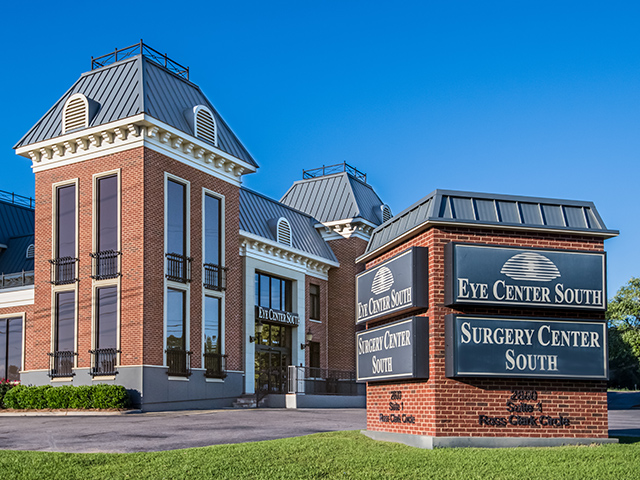

© 2026 Eye Center South.
All rights Reserved.
Managed & Designed by

© 2026 Eye Center South.
All rights Reserved.
Managed & Designed by