


Glaucoma
Glaucoma: What you need to know
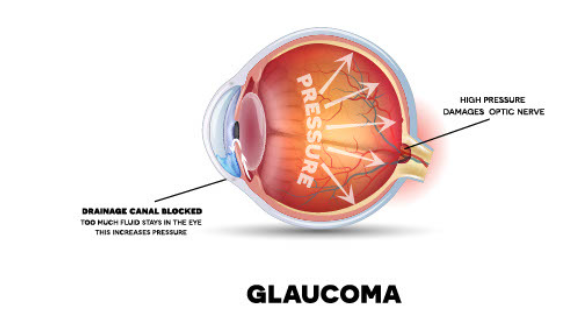
Glaucoma is a group of diseases that can damage the eye’s optic nerve and result in vision loss and blindness. Glaucoma occurs when the normal fluid pressure inside the eyes slowly rises. It can develop in one or both eyes. With early treatment, you can often protect your eyes against severe vision loss.
Eyedrops
Glaucoma treatment often starts with prescription eye drops. These drops are designed to decrease eye pressure by improving how fluid drains from your eye or by decreasing the amount of fluid your eye makes. Depending on how low your eye pressure needs to drop, more than one type of eyedrop may be prescribed.
Oral medications
If eye drops alone don’t bring your eye pressure down to the desired level, your doctor may also prescribe an oral medication, usually a carbonic anhydrase inhibitor.
Surgery and other therapies
Other treatment options include laser therapy and various surgical procedures. The following techniques are intended to improve the drainage of fluid within the eye, thereby lowering pressure:
Laser therapy. Laser trabeculoplasty is an option if you have open-angle glaucoma. It’s performed in your doctor’s office. Your doctor uses a small laser beam to open clogged channels in the trabecular meshwork. Final results won’t be apparent until a few weeks of healing after the procedure.
Filtering surgery. With a surgical procedure called a trabeculectomy, your surgeon creates an opening in the white of the eye (sclera) and removes part of the trabecular meshwork.
Drainage tubes. In this procedure, your eye surgeon inserts a small tube shunt in your eye to drain away excess fluid to lower your eye pressure.
Minimally invasive glaucoma surgery (MIGS). Your doctor may suggest a MIGS procedure to lower your eye pressure. They are often combined with cataract surgery. There are a number of MIGS techniques available, and your doctor will discuss which procedure may be right for you.
FAQs
Who is at risk for glaucoma?
Anyone can develop glaucoma. Some people are at higher risk:
- African Americans over 40.
- Everyone over 60, especially Mexican Americans.
- People with a family history of glaucoma.
How is glaucoma detected?
A comprehensive dilated eye exam can reveal more risk factors, such as high eye pressure, thinness of the cornea, and abnormal optic nerve anatomy. Some people with certain combinations of these high-risk factors take medicines in the form of eye drops to reduce the risk of developing glaucoma by fifty percent. Medicare covers an annual comprehensive dilated eye exam for some at high risk for glaucoma.
What are the symptoms of glaucoma?
Initially, there are no symptoms as vision remains normal with no pain. As the disease progresses, a person with glaucoma may notice their peripheral or side vision gradually failing with objects in front still seen clearly, but objects on the side may be missed. If glaucoma remains untreated, people will slowly lose their peripheral vision.
Does an increased eye pressure mean that I have glaucoma?
Increased eye pressure means you are at risk for glaucoma, but does not mean you have the disease. A person has glaucoma only if the optic nerve is damaged. If you have increased eye pressure but no damage to the optic nerve, you do not have glaucoma, but you are at risk. Be sure to have a comprehensive dilated eye exam at least once a year.
How is glaucoma treated?
Unfortunately, the damage caused by glaucoma can’t be reversed. But treatment and regular checkups can help slow or prevent vision loss, especially if you catch the disease in its early stages. Early detection, and adherence to prescribed eye drop therapy is critical to maintain your current vision.
Glaucoma is treated by lowering your eye pressure (intraocular pressure). Depending on your test results, your options may include prescription eye drops, oral medications, laser treatment, surgery or a combination of any of these.

© 2026 Eye Center South.
All rights Reserved.
Managed & Designed by

© 2026 Eye Center South.
All rights Reserved.
Managed & Designed by