

A Parent’s Guide to Understanding Pediatric Eye Health
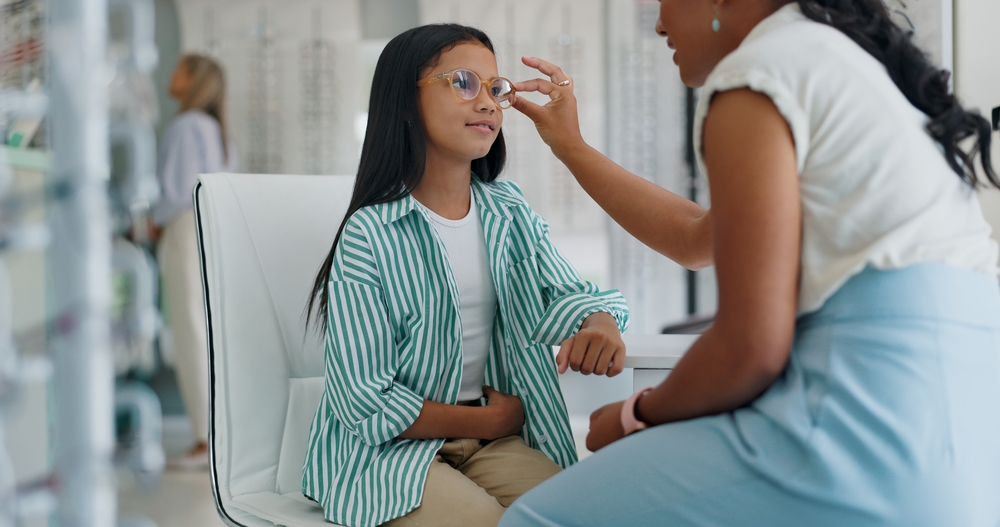
As a parent, ensuring your child’s overall health is a top priority, and their vision plays a crucial role in their development. From learning in the classroom to playing outdoors, good eyesight is essential for growth, confidence, and success. Understanding pediatric eye health and knowing when to seek professional care can make a significant difference in your child’s well-being.
The Importance of Early Eye Exams
Early eye exams are essential in detecting and addressing vision issues before they interfere with learning and development. The American Optometric Association (AOA) recommends that children have their first comprehensive eye exam at six months of age, followed by another at three years old, again before starting school, then annually thereafter. Regular exams can help identify conditions such as:
• Amblyopia (Lazy Eye): A condition where one eye doesn’t develop properly, leading to poor vision.
• Strabismus (Crossed Eyes): A misalignment of the eyes that can affect depth perception.
• Refractive Errors: Conditions such as nearsightedness, farsightedness, and astigmatism that can impact reading and learning.
• Eye Coordination Issues: Problems with focusing, tracking, or teaming that may contribute to difficulties in school.
Signs Your Child May Have a Vision Problem
Children may not always realize they have trouble seeing clearly, so it’s important for parents to watch for signs of potential vision issues. These include:
• Squinting or closing one eye
• Holding books or screens too close
• Frequent eye rubbing or excessive blinking
• Complaints of headaches or eye strain
• Difficulty focusing or paying attention in school
• Poor hand-eye coordination in sports or activities
If you notice any of these signs, scheduling an eye exam with a pediatric optometrist can help determine if corrective measures, such as glasses or myopia management, are needed.
Why is Myopia Management Essential?
Myopia is becoming increasingly common in children, often progressing as they grow. Without proper management, high myopia can increase the risk of serious eye conditions later in life, such as retinal detachment, glaucoma, and macular degeneration. Myopia management aims to slow the progression of nearsightedness through specialized treatments, including atropine eye drops, multifocal contact lenses, and lifestyle adjustments like increased outdoor time and reduced screen exposure. Early intervention is key, as managing myopia in childhood can help preserve long-term eye health and reduce dependence on stronger prescriptions. At Vision Center South, we offer personalized myopia management plans to help protect your child’s vision for the future.
Book Your Child’s Eye Exam Today
Your child’s vision is a critical component of their overall development and success. Regular eye exams, recognizing early signs of vision problems, and myopia management can help ensure they see clearly and thrive.
If it’s time for your child’s next eye exam or if you have concerns about their vision, schedule an appointment with Vision Center South today. Schedule online for our Dothan, Alabama here Schedule Online , or call (334) 793-2633 today.


© 2026 Eye Center South.
All rights Reserved.
Managed & Designed by

© 2026 Eye Center South.
All rights Reserved.
Managed & Designed by