


Effective Strategies for Managing Dry Eyes During the Summer
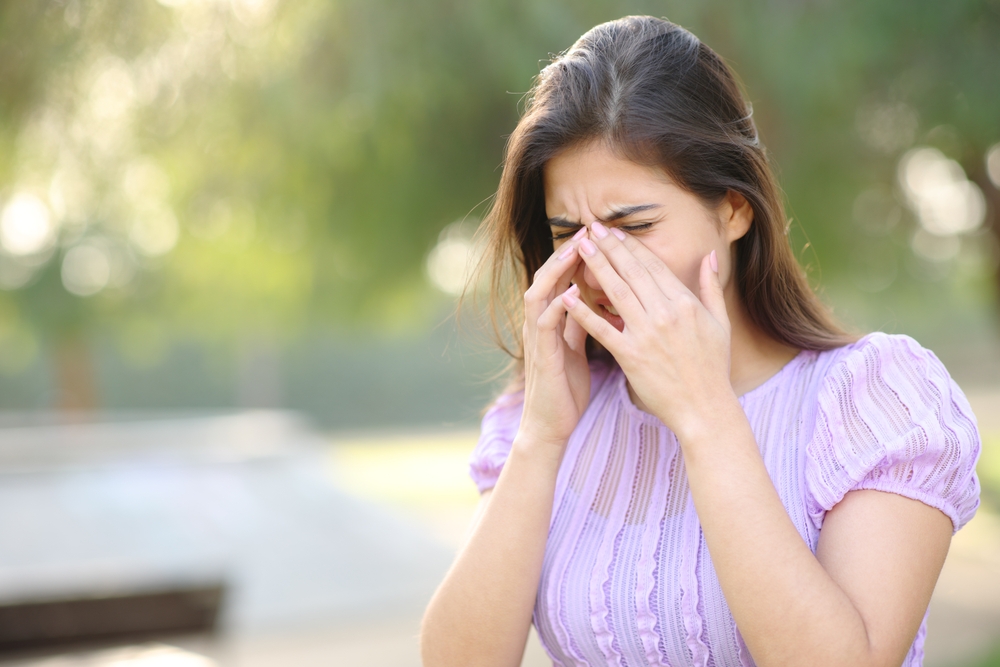
Dry eyes is a common condition that occurs when your eyes do not produce enough tears or the tears evaporate too quickly. This can lead to discomfort, irritation, and even vision problems. There are several factors that can contribute to dry eyes, including age, certain medical conditions, medications, environmental factors, and even hormonal changes.
Common Causes of Dry Eye
One of the primary causes of dry eyes is the natural aging process. As we get older, our tear glands may produce fewer tears, leading to a decrease in the overall tear production. Additionally, certain medical conditions, such as Sjögren's syndrome, rheumatoid arthritis, and thyroid disorders, can also contribute to dry eye symptoms.
Certain medications, including antihistamines, decongestants, and antidepressants, can also have a drying effect on the eyes. Environmental factors, such as exposure to dry, hot, or windy conditions, can also exacerbate dry eye symptoms.
The Impact of Summer on Dry Eye Symptoms
The summer season can be particularly challenging for individuals with dry eyes. The combination of increased sun exposure, higher temperatures, and lower humidity levels can all contribute to the exacerbation of dry eye symptoms.
During the summer, the increased exposure to sunlight and UV rays can lead to increased evaporation of tears, leaving your eyes feeling dry, irritated, and uncomfortable. Additionally, the warmer temperatures and lower humidity levels can further deplete the natural tear film, leading to a vicious cycle of discomfort and irritation.
Symptoms of Dry Eyes During the Summer
If you suffer from dry eyes, you may experience a variety of symptoms during the summer months, including:
- Burning, stinging, or itching sensations in the eyes
- Redness or inflammation of the eyes
- Sensitivity to light or glare
- Blurred vision or difficulty focusing
- Feeling like there is something in your eye
- Excessive tearing
These symptoms can range in severity and may worsen as the day progresses or in certain environmental conditions, such as when spending time outdoors or in air-conditioned spaces.
Strategies for Managing Dry Eyes in the Summer
There are several strategies you can employ to manage your dry eye symptoms during the summer months. By implementing these strategies, you can find relief and maintain the health of your eyes.
One of the most effective ways to manage dry eyes is to use artificial tears or eye drops. These products can help replenish the natural tear film and provide temporary relief from symptoms. Look for preservative-free options and use them as directed, applying them throughout the day as needed.
Prolonged screen time, whether it's from computers, smartphones, or tablets, can exacerbate dry eye symptoms. Make sure to take frequent breaks from screens and practice the 20-20-20 rule: every 20 minutes, look at something 20 feet away for 20 seconds. This can help reduce eye strain and give your eyes a much-needed break.
Protecting your eyes from the sun's glare and wind can help prevent further evaporation of your tear film. Invest in a pair of high-quality sunglasses or wraparound glasses that block UVA and UVB rays, and wear them whenever you're outdoors.
Proper hydration is essential for maintaining the overall health of your eyes. Drink plenty of water throughout the day, and consider adding hydrating foods like fruits and vegetables to your diet.
Low humidity levels can contribute to dry eye symptoms. Consider using a humidifier in your home or office to help maintain a more comfortable and
eye-friendly environment.
Certain environmental factors, such as dust, pollen, and smoke, can further exacerbate dry eye symptoms. Try to limit your exposure to these irritants and allergens as much as possible.
When to See an Optometrist for Dry Eye Treatment
If your dry eye symptoms persist or worsen despite your best efforts, it's important to consult with an optometrist. They can perform a comprehensive eye exam to determine the underlying cause of your dry eyes and recommend the appropriate treatment. Some signs that it's time to see an optometrist include:
- Severe or persistent discomfort or pain in your eyes
- Significant vision changes or difficulty with daily tasks
- Failure to find relief with over-the-counter remedies
- Recurring eye infections or inflammation
Your optometrist may recommend various treatments, such as prescription eye drops, medication, or even in-office therapies to address the root cause of your dry eyes.
Taking Care of Your Eyes During the Summer
Dry eyes can be a frustrating and uncomfortable condition, but with the right strategies and professional care, you can manage your symptoms and maintain the health of your eyes during the summer months. By incorporating the tips and techniques outlined in this article, you can find relief and enjoy the warm weather without the discomfort of dry eyes.
If you're struggling with dry eyes this summer, schedule an appointment with Vision Center South. We can provide personalized guidance and treatment options to help you find lasting relief and keep your eyes healthy all season long. Visit our office in Dothan, Alabama, or call (334) 793-2633 to book an appointment today.



© 2026 Eye Center South.
All rights Reserved.
Managed & Designed by

© 2026 Eye Center South.
All rights Reserved.
Managed & Designed by