


Glaucoma vs. Cataracts: Understanding the Key Differences in Symptoms, Risks, & Treatments
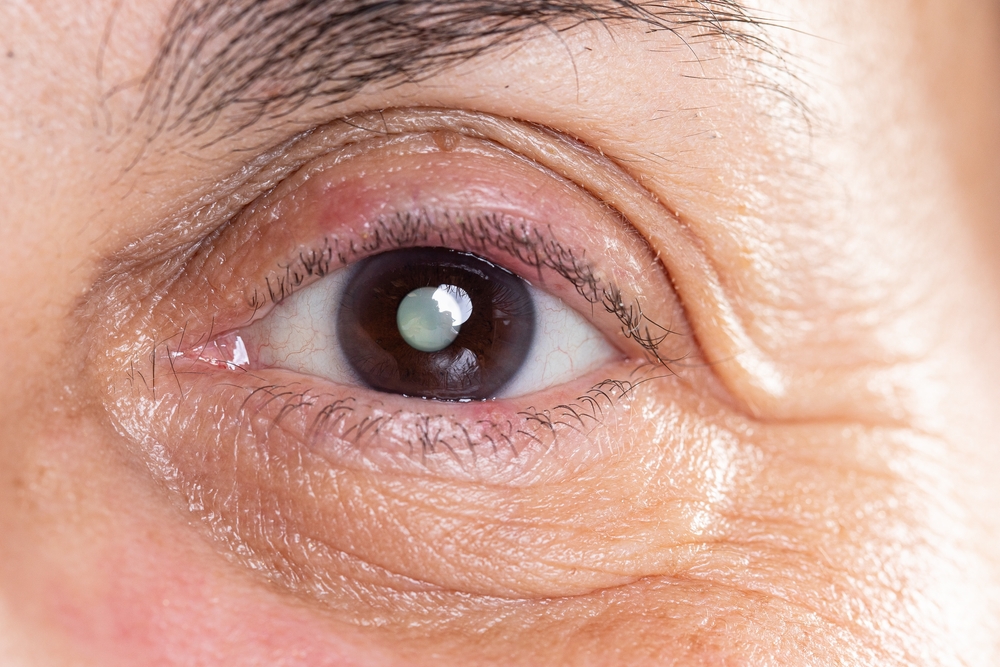
Glaucoma and cataracts are two common eye conditions that can affect vision, especially as we age. While both can lead to changes in eyesight, they affect different parts of the eye and require different approaches to care. At Eye Center South in Montgomery, we help patients understand these differences so they can make informed decisions about their eye health.
What Is the Difference Between Glaucoma and Cataracts?
A cataract develops when the natural lens inside the eye becomes cloudy, making it harder for light to pass through clearly. Glaucoma is a group of eye diseases that damage the optic nerve, which carries visual information from the eye to the brain. Increased eye pressure is an important risk factor for glaucoma, although the condition can also develop when eye pressure is within a normal range. Both conditions can cause vision loss, but the way that vision changes and how each condition is treated are different.
How Do the Symptoms Compare?
Cataracts often cause noticeable changes as they progress, while the most common type of glaucoma can develop without obvious symptoms in its early stages. Patients in Montgomery may experience:
• Cataracts: cloudy or blurry vision, faded colors, increased sensitivity to light, glare, and difficulty seeing at night
• Glaucoma: often no early symptoms, followed by peripheral vision loss or blind spots as the condition progresses
Sudden intense eye pain, redness, nausea, and blurry vision can be signs of angle-closure glaucoma, which requires immediate medical attention.
Who Is at Risk for Glaucoma or Cataracts?
Age is an important factor in both conditions. Cataracts become more common as people get older, and factors such as diabetes, smoking, and prolonged sun exposure can increase cataract risk. Glaucoma risk can also increase with age, family history, elevated eye pressure, and certain health conditions.
Because glaucoma may progress without early warning signs, routine comprehensive eye exams are especially important. At Eye Center South in Montgomery, glaucoma evaluations can help identify changes in eye pressure and the optic nerve before patients notice significant vision loss.
How Are Glaucoma and Cataracts Treated?
Cataract treatment typically depends on how much the cloudy lens is affecting everyday vision. When cataracts begin interfering with activities such as reading, driving, or seeing clearly in low light, cataract surgery may be recommended. Cataract surgery removes the cloudy natural lens and replaces it with an artificial lens.
Glaucoma treatment focuses on lowering eye pressure and protecting the optic nerve from further damage. Depending on the type and severity of glaucoma, treatment may include prescription eye drops, laser procedures, or surgery. Existing vision loss from glaucoma generally cannot be restored, making early diagnosis and ongoing management especially important.
When Should You Schedule an Eye Exam in Montgomery?
If you notice cloudy vision, increased glare, difficulty seeing at night, changes in peripheral vision, or other unexplained vision changes, an eye evaluation can help determine the cause. Even without symptoms, regular eye care can play an important role in identifying cataracts and detecting glaucoma before it significantly affects vision.
Schedule a cataract or glaucoma evaluation with Eye Center South to learn more about your treatment options. Contact our office in Montgomery, AL by calling (334) 260-8511 to book an appointment today.


© 2026 Eye Center South.
All rights Reserved.
Managed & Designed by

© 2026 Eye Center South.
All rights Reserved.
Managed & Designed by