


How an Eye Exam Could Detect Early Signs of Disease
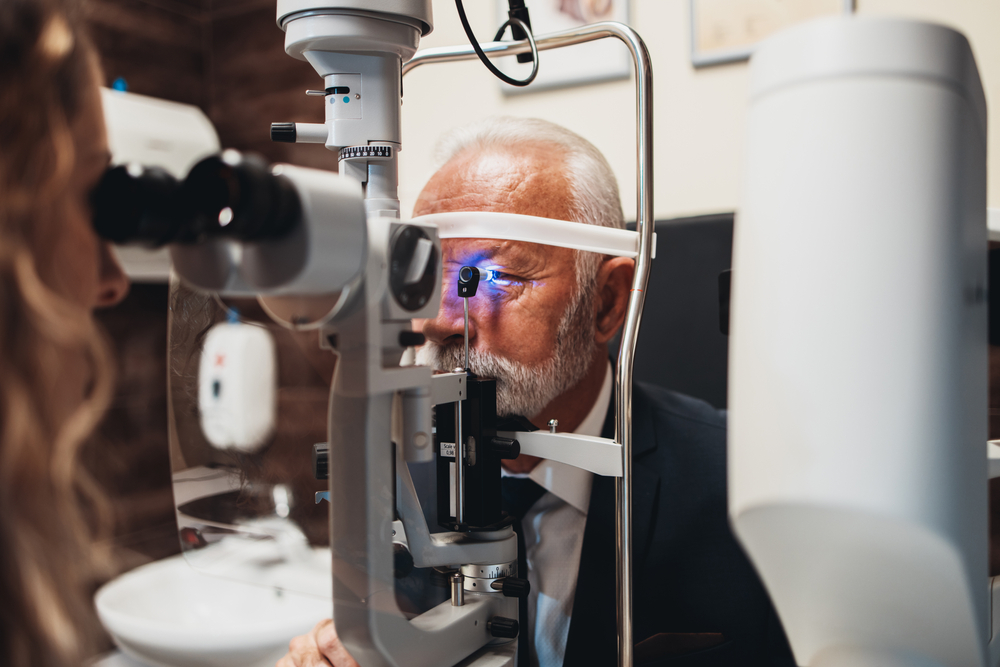
Most people think of an eye exam as a way to check for glasses or contacts, but a comprehensive eye exam does far more than measure vision. Because the eyes are directly connected to blood vessels, nerves, and other systems in the body, they can reveal important signs of health issues that may otherwise go unnoticed. At Vision Center South in Troy, our eye exams are designed not only to keep your vision clear but also to help detect the earliest signs of disease.
What Your Eyes Can Reveal About Your Health
The eyes contain tiny blood vessels and nerves that are directly linked to the rest of the body. This unique structure allows optometrists to detect early changes that may point to systemic diseases. During a comprehensive eye exam, advanced technology and a thorough evaluation can reveal hidden issues that haven’t yet caused noticeable symptoms.
Conditions That May Be Detected in an Eye Exam
Diabetes: Diabetic retinopathy, one of the leading causes of vision loss, can be detected through signs of blood vessel damage in the retina. An eye exam may uncover diabetes even before a primary care provider diagnoses it.
High Blood Pressure: Hypertension can cause changes in the blood vessels of the eye, such as narrowing or bleeding, which an optometrist can identify during an exam.
High Cholesterol: Yellowish deposits in the eyes or changes in blood vessels can signal elevated cholesterol levels, which could increase the risk of heart disease or stroke.
Autoimmune Diseases: Conditions like lupus or multiple sclerosis sometimes present early signs in the eyes, including inflammation or nerve changes.
Neurological Disorders: Diseases like Parkinson’s and even early signs of brain tumors may first appear as changes in eye movement, vision loss, or optic nerve damage.
Eye Diseases That Can Be Detected Early
Many eye diseases progress silently, without obvious symptoms, making early detection crucial. Some of the most common eye diseases detected during routine exams include:
Glaucoma: Known as the “silent thief of sight,” glaucoma often develops without warning signs until vision loss has already occurred. Regular eye exams allow optometrists to measure eye pressure and assess the optic nerve for early changes.
Cataracts: Cataracts cause clouding of the eye’s natural lens, leading to blurry or hazy vision. Eye exams help detect cataracts in their earliest stages, even before they begin to affect daily activities.
Age-Related Macular Degeneration (AMD): AMD affects the central part of the retina (the macula), leading to loss of sharp, central vision. Detecting early signs of AMD through specialized imaging and evaluation helps patients explore treatment options to slow progression.
Diabetic Eye Disease: For patients with diabetes, eye exams are critical for identifying diabetic retinopathy and macular edema. Detecting these changes early helps prevent severe vision loss.
Dry Eye Disease: While often overlooked, dry eye can cause chronic discomfort and blurred vision. A thorough exam can identify underlying causes and guide personalized treatment.
Protect Your Vision and Health in Troy Today
Catching these conditions early gives patients the chance to seek timely care, which can prevent complications and improve outcomes. A comprehensive eye exam at Vision Center South is a powerful tool for detecting early signs of serious diseases, often before symptoms appear.
Schedule your comprehensive eye exam at Vision Center South in Troy to protect not only your vision but also your overall well-being. Schedule online or call (334) 566-7172 today.


© 2026 Eye Center South.
All rights Reserved.
Managed & Designed by

© 2026 Eye Center South.
All rights Reserved.
Managed & Designed by