


How Often Should Your Child Have an Eye Exam?
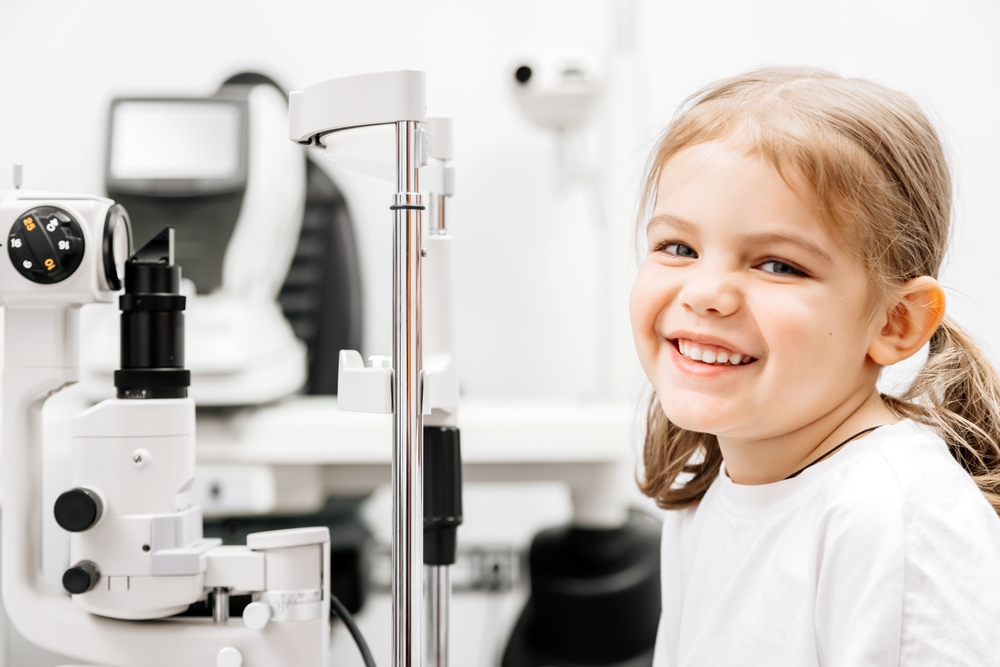
Many parents may not realize how essential regular eye exams are for their child’s development. Clear vision plays a critical role in learning, social interactions, and physical coordination. But how often should a child have an eye exam? This guide explores the importance of pediatric eye care, common childhood eye conditions, and why annual exams are necessary.
Why Is Early Vision Care Important?
Early vision care goes beyond ensuring that a child can see clearly. A comprehensive eye exam can detect potential vision problems before they begin to affect daily life. Children rely heavily on their eyesight for learning, with studies showing that a significant portion of classroom learning is visual. If a child struggles with undiagnosed vision issues, it can impact academic performance, behavior, and self-esteem.
Regular eye exams help identify and address vision problems early, reducing the risk of long-term complications. Because children may not always recognize or communicate vision difficulties, proactive care is essential.
The Role of a Pediatric Eye Exam
Pediatric eye exams assess much more than just a child's ability to see clearly. These exams evaluate eye health, how well the eyes work together, and whether the child’s vision supports their learning and development.
During a pediatric eye exam, an optometrist will evaluate:
• Visual acuity, or sharpness of vision
• Eye alignment and tracking to ensure the eyes work together properly
• Depth perception and focusing ability
• Overall eye health to check for any medical concerns
School vision screenings, while helpful, do not replace a comprehensive exam. Screenings primarily detect severe vision problems but often miss subtle issues that can affect reading, writing, sports, and daily activities.
When and How Often Should a Child Have an Eye Exam?
The American Optometric Association (AOA) recommends the following schedule for children's eye exams:
• Infants (6–12 months): A first comprehensive eye exam to check for early signs of vision issues
• Toddlers (3–5 years): A second exam before starting school to detect developmental concerns
• School-age children (6 and older): Annual eye exams to monitor vision changes and ensure healthy development
Even if a child passes a vision screening at school or a pediatrician’s office, they should still visit an eye doctor for a full examination. Vision changes can occur quickly, and early detection allows for timely treatment and better outcomes.
Common Eye Conditions in Children
Several common eye conditions can develop in childhood, and many may go unnoticed without regular exams.
Strabismus occurs when the eyes do not align correctly, causing one eye to turn inward, outward, upward, or downward. This misalignment can lead to double vision, difficulty with depth perception, and, if untreated, a condition called amblyopia.
Amblyopia develops when one eye does not develop proper vision, often due to strabismus or significant refractive differences between the two eyes. If left untreated, it can result in permanent vision impairment.
Refractive errors occur when light is not focused properly on the retina, causing blurred vision. Nearsightedness (myopia), farsightedness (hyperopia), and astigmatism are common refractive errors that can be corrected with glasses or contact lenses.
Binocular Vision Dysfunction (BVD) occurs when the eyes struggle to work together as a team, leading to headaches, dizziness, difficulty reading, and poor coordination. Children with BVD may have trouble focusing in the classroom and may avoid sports or other physical activities.
Benefits of Early Detection
Comprehensive eye exams provide more than just a prescription for glasses. They play a vital role in:
• Ensuring clear vision, which is essential for academic success, sports, and everyday activities
• Promoting healthy eye development and preventing long-term vision problems
• Improving academic performance by addressing vision-related learning difficulties
If a child struggles with reading, frequently loses their place while following text, or complains of headaches, it could indicate an undiagnosed vision problem. Detecting these issues early leads to better treatment options and improved outcomes.
Schedule Your Child’s Eye Exam Today
Regular eye exams are essential for protecting your child's vision and supporting their overall development. Detecting and addressing vision issues early can prevent long-term complications and help children perform better in school, sports, and daily activities. We are dedicated to providing expert pediatric eye care to ensure your child sees clearly and comfortably.
Schedule a eye exam with Vision Center South to ensure your child has the clear vision they need for success. Schedule online in Marianna, Florida here Schedule Online , or call (850) 482-2336 to book an appointment today.


© 2026 Eye Center South.
All rights Reserved.
Managed & Designed by

© 2026 Eye Center South.
All rights Reserved.
Managed & Designed by