


Understanding Pediatric Eye Exams: A Comprehensive Guide for Parents

The health of your child's eyes is an essential aspect of their overall wellbeing. A pediatric eye exam is a comprehensive assessment of your child's vision and eye health. It's conducted by an optometrist with specialized training in children's eyes. These professionals have the skills to identify and address a range of vision problems and eye diseases unique to children.
The Importance of Pediatric Eye Exams
The importance of pediatric eye exams cannot be overlooked. Vision plays a vital role in your child's development and learning. It's estimated that about 80% of what children learn in school is presented visually. Therefore, undiagnosed and untreated vision problems can significantly affect a child's educational and social development.
Numerous studies have linked vision problems with academic challenges in children. A pediatric eye exam can help detect vision problems early, allowing for treatment that can improve your child's academic performance.
Common Eye Conditions in Children
There are several common eye conditions in children that parents should be aware of. These include refractive errors like nearsightedness, farsightedness, and astigmatism. These conditions often lead to blurry vision and can be corrected with eyeglasses or contact lenses.
Strabismus, or crossed eyes, is another common pediatric eye condition. This misalignment of the eyes can lead to poor depth perception and, if left untreated, may result in a condition known as lazy eye, or amblyopia.
The Process of a Pediatric Eye Exam
A pediatric eye exam typically involves several steps. The first step is a review of your child's medical history. Your eye doctor will ask about any vision complaints, family history of eye problems, and any medications your child is taking.
Next, your child's visual acuity will be tested. This evaluates how well your child can see at various distances. This is usually done using eye charts with letters or pictures. Your child's eye alignment and eye movement will also be evaluated.
The optometrist will also examine your child's eye health. This includes an inspection of the front of the eye, using a slit lamp microscope, and an examination of the retina and optic nerve, using an ophthalmoscope. Depending on the findings, the doctor may recommend further tests or treatments.
How Often Should Your Child Have a Pediatric Eye Exam?
The frequency of pediatric eye exams depends on your child's age and risk factors. The American Optometric Association recommends that infants have their first eye exam at six months. Another exam should be done at age three, and again before your child starts first grade.
For school-aged children with no vision correction, an eye exam every two years is recommended. However, children who need eyeglasses or contact lenses should have an eye exam annually or as recommended by your eye doctor.
Children with risk factors such as prematurity, developmental delays, personal or family history of eye disease, previous serious eye injury, or use of medication that may affect the eyes may require more frequent eye exams.
Ensuring Clear Vision for a Bright Future
Pediatric eye exams play a critical role in safeguarding your child's vision and overall health. Regular checkups can lead to the early detection and treatment of common eye conditions in children, resulting in better academic performance and improved quality of life. As a parent, understanding the importance of these exams, how often they should be performed, and what to expect during the process can help ensure your child's eyes are given the best care possible.
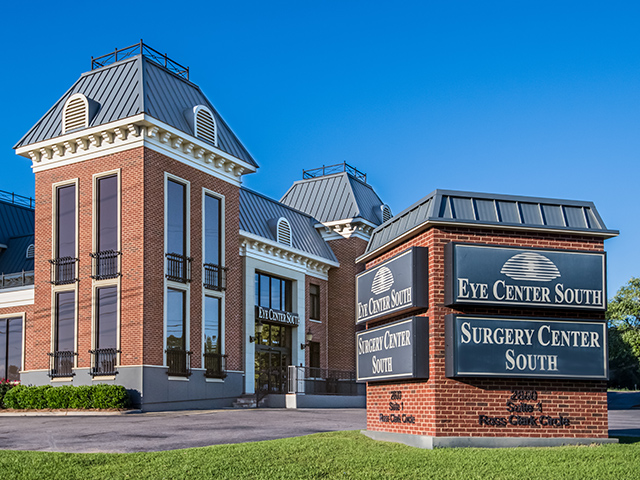
To learn more on pediatric eye exams or to schedule your child’s appointment, visit Vision Center South at any of our offices in Dothan, Enterprise, or Wetumpka, Alabama, or Marianna, Florida.


© 2026 Eye Center South.
All rights Reserved.
Managed & Designed by

© 2026 Eye Center South.
All rights Reserved.
Managed & Designed by