


Understanding the Different Types of Contact Lenses and Their Benefits

Contact lenses are a popular vision correction option that offer a number of advantages over traditional eyeglasses. Whether you're nearsighted, farsighted, or have astigmatism, contact lenses can provide you with clear, comfortable vision while offering the freedom and flexibility that glasses cannot.
Why Consider Contact Lenses for Vision Correction?
There are several reasons why you may want to consider switching to contact lenses for your vision correction needs. Contact lenses sit directly on your eye, providing a more natural and unobstructed field of vision compared to eyeglasses. This can lead to better visual acuity, especially for activities like sports, driving, and peripheral vision.
Contact lenses are designed to be lightweight and comfortable, allowing you to wear them for extended periods without feeling discomfort or irritation. They also eliminate the need for frames and lenses that can sometimes feel bulky or intrusive.
Many people prefer the discreet and natural look of contact lenses over the appearance of eyeglasses. Contact lenses can also be a great option for those with high prescriptions or unique facial features that may not be well-suited for traditional frames.
Types of Contact Lenses and Their Benefits
When it comes to contact lenses, there are several different types to choose from, each with its own unique features and benefits.
Soft contact lenses are the most commonly prescribed type of contact lenses. They are made from flexible, hydrophilic (water-loving) materials that conform to the shape of your eye, providing a comfortable and natural feel. Soft contact lenses offer the following benefits:
- Excellent comfort and wearability
- Highly breathable, allowing oxygen to pass through to the cornea
- Available in a wide range of prescriptions, including for astigmatism and presbyopia
- Easier to insert and remove compared to rigid gas permeable lenses
- Suitable for a variety of activities, including sports and outdoor pursuits
Rigid gas permeable (RGP) contact lenses, also known as hard contact lenses, are made from a more rigid, gas-permeable material. While they may take some time to get used to, RGP lenses offer several unique advantages:
- Provide sharper, clearer vision compared to soft lenses
- Highly durable and resistant to scratches and deposits
- Ideal for individuals with irregular corneal shapes, such as those with keratoconus
- Can correct higher degrees of astigmatism and other vision problems
- May be more comfortable for some wearers after the initial adaptation period
Disposable contact lenses are designed to be worn for a limited period, typically ranging from a single day to a few weeks, before being discarded. These lenses offer the following benefits:
- Reduced risk of protein and lipid buildup, as well as bacterial contamination
- Convenient and hassle-free, as you don't need to worry about cleaning and disinfecting the lenses
- Available in a wide variety of replacement schedules, from daily to monthly
- Ideal for active lifestyles or those who want the freedom to wear lenses occasionally
Toric contact lenses are specifically designed to correct astigmatism, a common vision condition where the cornea (the clear, front part of the eye) is irregularly shaped, causing blurred or distorted vision. Toric lenses offer the following benefits:
- Provide clear, sharp vision for individuals with astigmatism
- Maintain their position on the eye, ensuring consistent correction throughout wear
- Available in both soft and rigid gas permeable materials
- Offer a comfortable and stable fit, with features to prevent rotation on the eye
Finding the Right Lenses for Your Needs
To determine the best contact lenses for your unique vision needs, it's important to schedule a comprehensive contact lens exam with an experienced optometrist. During this exam, your eye doctor will evaluate the overall health and shape of your eyes, and measure the curvature of your corneas to determine the appropriate lens size and fit. Your doctor will assess your current vision and any refractive errors, such as nearsightedness, farsightedness, or astigmatism.
Based on the findings of your exam, your optometrist will provide a customized recommendation for the contact lenses that will provide you with the best possible vision and comfort. They will also guide you through the proper insertion, removal, and care of your new lenses to ensure a smooth and successful transition.
Schedule Your Contact Lens Exam with Vision Center South Today
Whether you're considering contact lenses for the first time or looking to switch from your current eyeglasses, there are a variety of options available to meet your unique vision correction needs. From soft, comfortable lenses to rigid gas permeable and specialty designs for astigmatism or presbyopia, the right contact lenses can provide you with clear, comfortable vision and the freedom to live an active, unencumbered lifestyle.
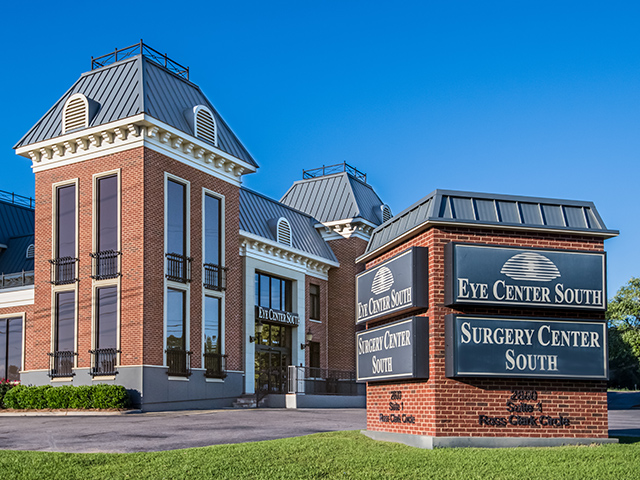
Take the first step towards clearer, more comfortable vision by scheduling a comprehensive contact lens exam with Vision Center South. We can help you explore the different types of contact lenses and find the perfect solution for your needs. Visit our office in Enterprise, Alabama, or call (334) 347-6599 to book an appointment today.


© 2026 Eye Center South.
All rights Reserved.
Managed & Designed by

© 2026 Eye Center South.
All rights Reserved.
Managed & Designed by