


Vision Care Tips for Kids: Maintaining Healthy Eyes from an Early Age
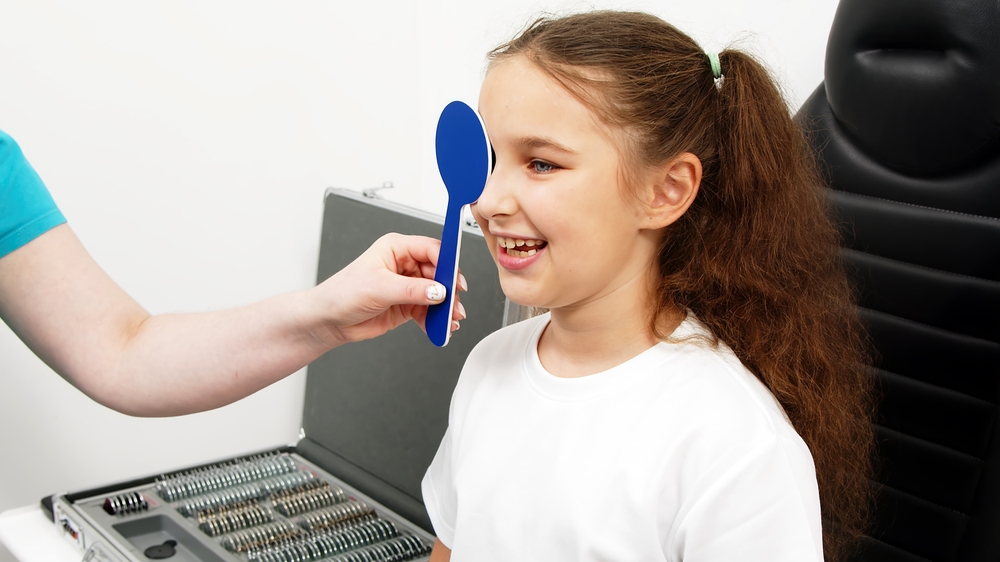
As children grow, their vision plays a crucial role in their learning and development. From reading books to exploring the world around them, good eyesight is essential for their success in school and daily activities. Taking proactive steps to maintain your child’s eye health can help prevent vision problems and ensure they develop strong visual skills. Here are some key vision care tips to help your child maintain healthy eyes from an early age.
Schedule Regular Pediatric Eye Exams
Routine eye exams are one of the most important steps in maintaining your child’s vision health. The American Optometric Association recommends that children have their first comprehensive eye exam at six months of age, another at age three, and then again before they start school. After that, annual eye exams are essential to detect any vision issues early. Even if your child does not complain about their vision, some eye conditions, such as amblyopia (lazy eye) or strabismus (crossed eyes), may go unnoticed without a professional examination.
Encourage Healthy Screen Time Habits
In today’s digital age, children are spending more time on screens than ever before. Excessive screen time can contribute to digital eye strain, dry eyes, and even nearsightedness (myopia). To help protect your child’s eyes:
• Follow the 20-20-20 rule: Every 20 minutes, encourage them to look at something 20 feet away for at least 20 seconds.
• Limit screen time based on their age and encourage breaks from digital devices.
• Ensure screens are positioned at least an arm’s length away from their eyes and adjusted for brightness and contrast to reduce strain.
Promote a Nutrient-Rich Diet
Proper nutrition is essential for eye health. Foods rich in vitamin A, C, E, and omega-3 fatty acids support good vision and reduce the risk of eye conditions. Encourage your child to eat foods such as:
• Leafy green vegetables (spinach, kale)
• Carrots and sweet potatoes
• Citrus fruits (oranges, strawberries)
• Fish (salmon, tuna)
• Nuts and seeds (almonds, walnuts)
Ensure Proper Lighting for Reading and Studying
Good lighting can help reduce eye strain while reading or doing homework. Encourage your child to:
• Read in a well-lit room with even lighting.
• Avoid reading in dim light for extended periods.
• Take breaks while studying to relax their eyes.
Protect Their Eyes from UV Exposure
Just like skin, eyes need protection from the sun’s harmful UV rays. Overexposure can increase the risk of eye conditions later in life. To protect your child’s eyes:
• Have them wear UV-protective sunglasses when outdoors.
• Choose wide-brimmed hats to provide extra shade.
• Teach them the importance of not looking directly at the sun.
Encourage Outdoor Play
Spending time outdoors has been linked to a lower risk of developing myopia (nearsightedness). Natural sunlight exposure and looking at objects at varying distances help maintain good visual development. Encourage your child to:
• Play outside for at least 60 minutes a day.
• Engage in activities that involve focusing on objects at different distances, such as playing sports or exploring nature.
Teach Good Eye Hygiene
Children often touch their eyes without realizing they may be introducing dirt and bacteria. To maintain good eye hygiene:
• Teach them to wash their hands before touching their eyes.
• Remind them not to rub their eyes excessively.
• Ensure they do not share towels, pillows, or eye drops with others.
Schedule a Pediatric Eye Exam Today
Caring for your child’s vision from an early age sets the foundation for a lifetime of healthy eyesight. Regular pediatric eye exams, proper screen habits, a nutritious diet, and outdoor play all contribute to maintaining strong vision. By taking these proactive steps, you can help your child see clearly and thrive in their daily activities.
At Vision Center South, we are committed to providing comprehensive pediatric eye care to ensure your child’s vision stays on track. Schedule online in Wetumpka, Alabama here Schedule Online , or call (334) 567-7722 to schedule an eye exam exam today.


© 2026 Eye Center South.
All rights Reserved.
Managed & Designed by

© 2026 Eye Center South.
All rights Reserved.
Managed & Designed by