


What Happens During a Cataract Evaluation?
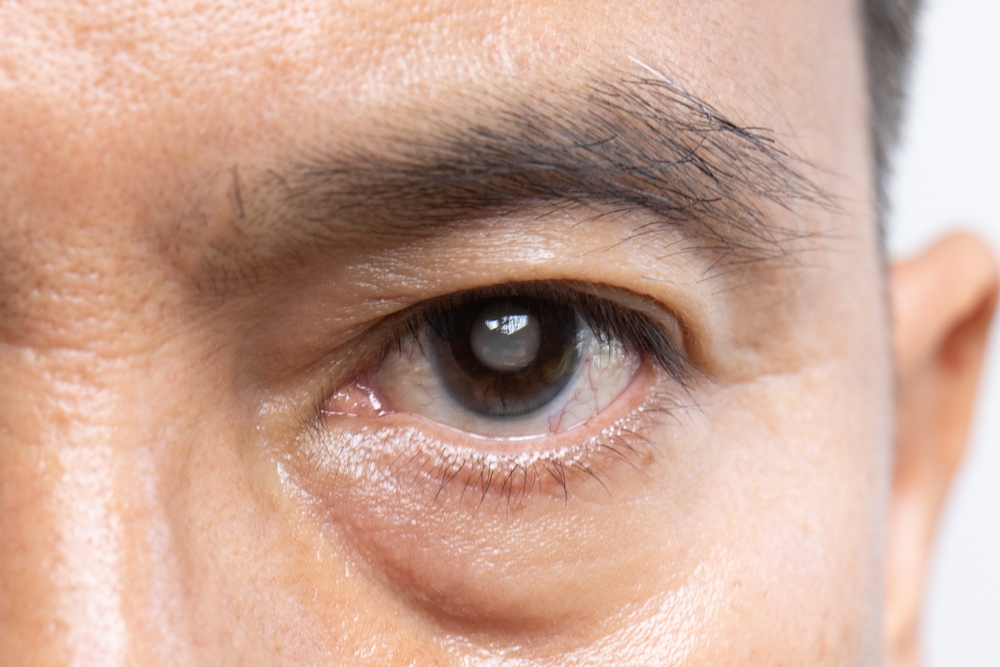
Cataracts can gradually make everyday activities such as reading, driving, or recognizing faces more difficult. A cataract evaluation helps identify whether clouding of the eye’s natural lens is causing these changes and whether treatment may be appropriate. At Eye Center South in Tallahassee, FL, our ophthalmology team performs a detailed eye examination to assess your vision, evaluate your eye health, and discuss the next steps based on your individual needs.
Reviewing Your Vision Changes
Your appointment will usually begin with a discussion about the changes you have noticed. Our ophthalmologist may ask whether reading, driving, watching television, or recognizing faces has become more difficult. You may also discuss glare from headlights, halos around lights, frequent prescription changes, or reduced contrast.
Your medical history, current medications, previous eye procedures, and overall health may also be reviewed. These details help the ophthalmology team understand factors that could influence your diagnosis or treatment plan.
Testing Your Eyes for Cataracts
A cataract evaluation in Tallahassee, FL involves more than confirming that a cataract is present. Our ophthalmologist also checks whether another eye condition could be contributing to your vision problems.
Testing may include:
• Visual acuity testing to measure how clearly you see at different distances
• Refraction to determine whether an updated prescription improves your vision
• A slit-lamp examination to view the cornea, iris, and natural lens under magnification
• Eye pressure measurement to screen for pressure-related concerns
• A dilated eye examination to evaluate the retina, optic nerve, and other internal eye structures
Dilating drops may temporarily make near vision blurry and increase light sensitivity. Consider bringing sunglasses and arranging transportation if you are uncomfortable driving after dilation.
Determining How Cataracts Affect Daily Life
Not every cataract requires immediate surgery. Early cataracts may be monitored when vision remains functional and daily activities are not significantly affected. An updated prescription, improved lighting, or other adjustments may help for a period of time.
Cataract surgery may be discussed when cloudy vision begins interfering with safety, independence, work, hobbies, or routine activities. The decision is based on how the cataract affects your life rather than the cataract’s appearance alone.
Discussing Cataract Surgery and Lens Options
When surgery is appropriate, the ophthalmologist will explain how the cloudy natural lens is removed and replaced with a clear intraocular lens. Additional measurements may be completed to determine the correct lens power.
Your consultation may also include a discussion of lens options based on your eye health, prescription, astigmatism, and visual goals. Some patients prioritize clear distance vision, while others want to reduce their dependence on glasses for a wider range of tasks. The ophthalmology team will explain realistic expectations and recommend options suited to your eyes.
Preparing for Your Cataract Evaluation
Bring your current glasses, medication list, insurance information, and any questions about your vision. It may also help to write down the activities that have become harder. This gives your ophthalmologist a clearer picture of how cataracts are affecting your daily routine.
Schedule a cataract evaluation with Eye Center South and take the next step toward clearer vision. Contact our office in Tallahassee, FL, by calling (850) 222-3937 to book an appointment.



© 2026 Eye Center South.
All rights Reserved.
Managed & Designed by

© 2026 Eye Center South.
All rights Reserved.
Managed & Designed by