


What Happens During a Glaucoma Exam? A Patient’s Guide to Our Montgomery Clinic
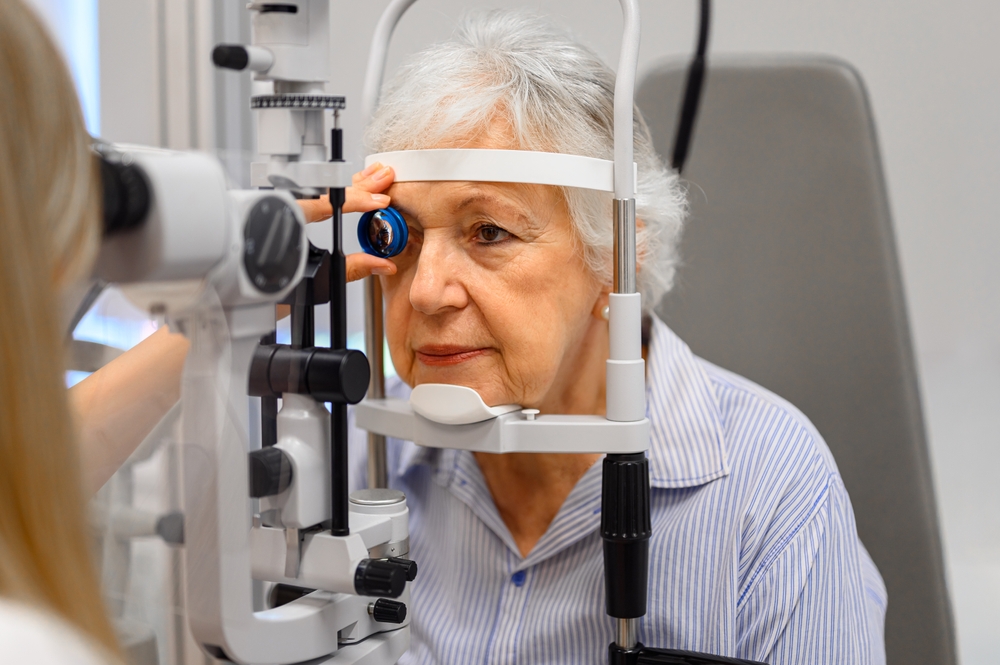
Glaucoma can gradually damage the optic nerve, often before noticeable vision changes develop. A glaucoma exam allows an ophthalmologist to look for early signs of the disease, evaluate your risk, and determine whether treatment or ongoing monitoring is needed. At Eye Center South in Montgomery, AL, our ophthalmology team provides medical eye evaluations focused on protecting long-term vision.
Why a Glaucoma Exam Is Important
Glaucoma is often associated with elevated eye pressure, but it can also develop when pressure readings fall within the normal range. Because many forms of glaucoma have few or no early symptoms, routine medical eye care is important for early detection.
Our ophthalmologist may recommend a glaucoma evaluation if you have a family history of the disease, elevated eye pressure, certain medical conditions, previous eye injuries, or suspicious changes involving the optic nerve. Patients already diagnosed with glaucoma also need regular exams to track whether the condition is stable.
Reviewing Your Medical and Vision History
Your appointment will typically begin with a review of your eye health, general medical history, medications, and current symptoms. Our ophthalmologist may ask whether you have experienced blurred vision, reduced peripheral vision, eye pain, headaches, or halos around lights.
Be prepared to discuss any relatives who have been diagnosed with glaucoma. Family history can help your ophthalmologist better understand your individual risk.
Tests That May Be Included
A glaucoma exam involves more than checking whether you can read an eye chart. We may perform several tests to evaluate your eye pressure, drainage structures, optic nerves, and visual field.
Depending on your needs, testing may include:
• Tonometry to measure pressure inside the eyes
• Pachymetry to measure corneal thickness
• Gonioscopy to examine the eyes’ drainage angles
• Optical coherence tomography to capture detailed images of the optic nerves
• Visual field testing to check for areas of missing peripheral vision
• A dilated examination to evaluate the optic nerves and other internal eye structures
Not every patient needs every test at each appointment. Our ophthalmologist will select the testing needed based on your risk factors, previous results, and current eye health.
Understanding Your Glaucoma Exam Results
After testing, we will explain whether your results appear healthy, require monitoring, or show signs of glaucoma. A single elevated pressure reading does not always mean you have the disease. Our doctor will consider several findings together, including optic nerve appearance, corneal thickness, drainage angles, and visual field results.
If glaucoma is detected, treatment may include prescription eye drops, laser procedures, minimally invasive glaucoma surgery, or another surgical approach. The appropriate recommendation depends on the type and severity of glaucoma and how well your eye pressure is controlled.
Preparing for Your Appointment
Bring a current medication list, insurance information, and any previous eye records available. Because dilation may temporarily cause light sensitivity and blurred near vision, consider bringing sunglasses and arranging transportation when advised.
Schedule your eye exam with Eye Center South and take an important step toward detecting glaucoma early and protecting your vision. Contact our office in Montgomery, AL, by calling (334) 260-8511 to book an appointment.


© 2026 Eye Center South.
All rights Reserved.
Managed & Designed by

© 2026 Eye Center South.
All rights Reserved.
Managed & Designed by