

Blog list
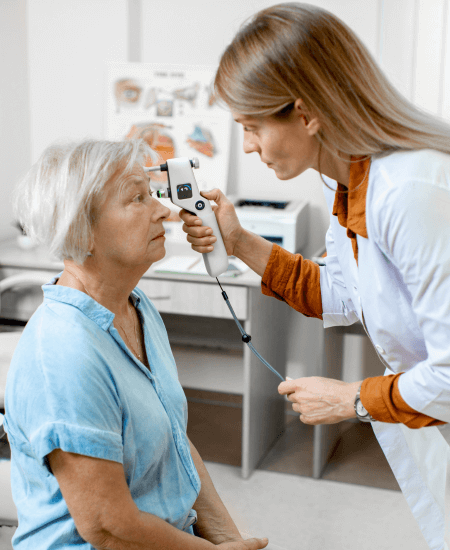
Eye pressure, also known as intraocular pressure (IOP), plays a vital role in maintaining eye health. Keeping it within a healthy range helps protect the optic nerve and preserve vision.

As spring approaches, so do blooming flowers, longer days, and unfortunately, seasonal allergies. If you suffer from itchy, watery, or red eyes during this time of year, you’re not alone. Pollen, dust, and other allergens in the air can trigger uncomfortable eye symptoms, making it difficult to enjoy the beauty of the season. Understanding how allergies affect your eyes and learning effective ways to manage them can help you maintain clear, comfortable vision.

As we age, our vision changes, and the risk of developing eye conditions increases, especially for seniors in Florida, who often spend more time outdoors in the sun. While some changes are inevitable, there are proactive steps you can take to maintain your eye health and reduce the risk of vision problems. By adopting healthy lifestyle habits, you can protect your eyesight, adapt to Florida’s unique environmental factors, and enhance your overall quality of life.
Eye injuries in the workplace are more common than many people realize, affecting thousands of workers every year. Whether you work in construction, healthcare, manufacturing, or an office in Enterprise, AL, your eyes are constantly exposed to potential hazards. The good news is that most workplace eye injuries can be prevented with the right safety measures. At Vision Center South, we believe that eye health is essential for productivity and long-term well-being.
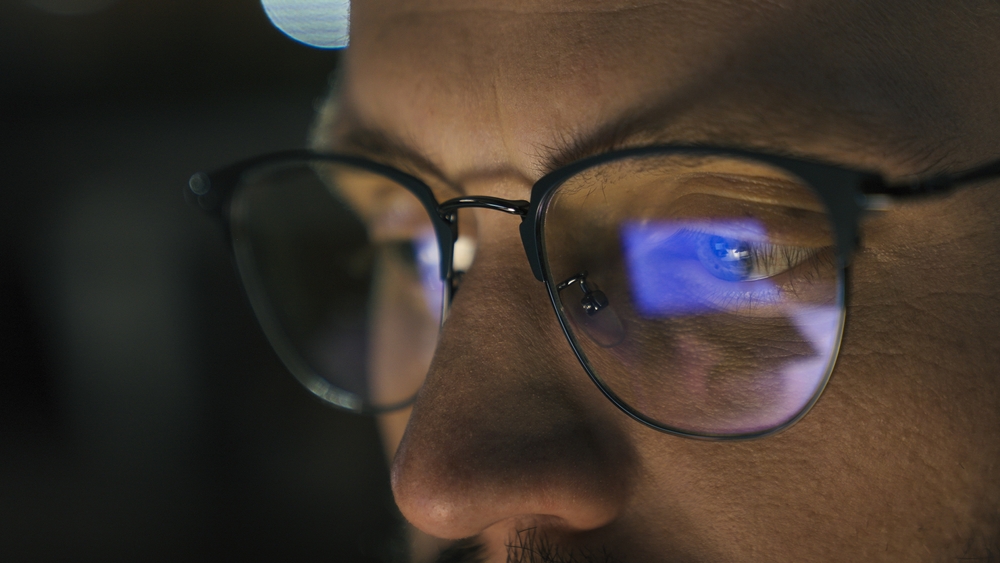
In today’s modern world, screen time is nearly unavoidable. Whether working on a computer, scrolling through a smartphone, or attending virtual meetings, people spend hours each day looking at digital devices. While technology enhances productivity, prolonged screen use can also lead to digital eye strain, sometimes called computer vision syndrome. This condition causes discomfort and may even reduce work efficiency. But how much of this strain is due to blue light, and what steps can you take to maintain healthy eyes while staying productive?
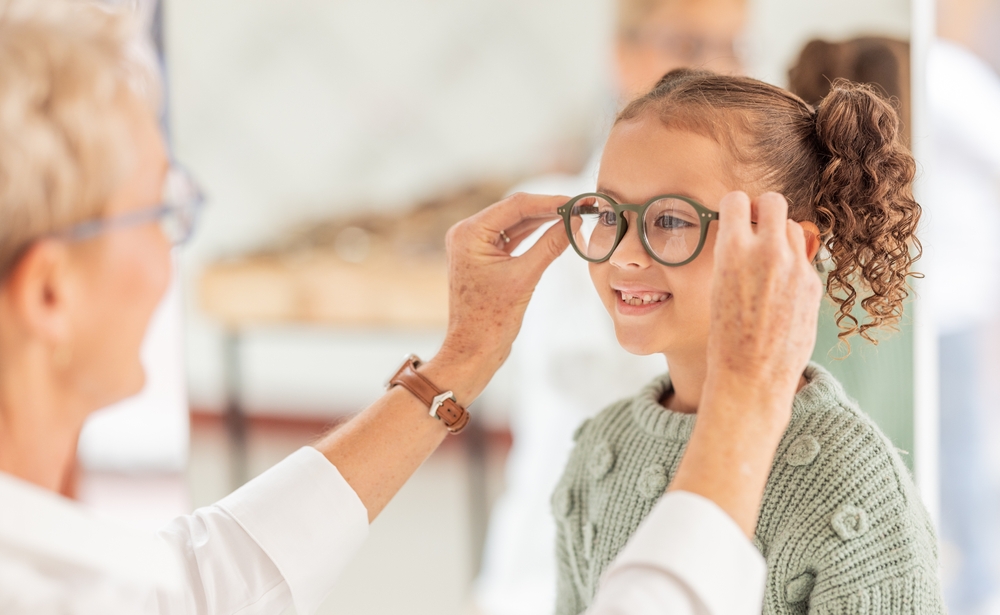
When you receive your glasses prescription after an eye exam, it may look like a confusing mix of letters, numbers, and symbols. However, each part of your prescription provides essential details about your vision and how your glasses correct it. Understanding what these numbers mean can help you make informed decisions about your eye care.

When it comes to vision correction, choosing the right lenses is just as important as selecting the right frames or contact lenses. Your lifestyle, daily activities, and vision needs all play a role in determining which lenses will provide the best comfort, clarity, and protection. Whether you wear glasses or contacts, understanding your options can help you make an informed decision.

Workplace eye injuries affect thousands of workers every year, from industrial job sites to office settings. While some injuries result in temporary discomfort, others can cause lasting damage or even blindness.

When most people think about vision problems, they assume issues like blurry vision, eye strain, or difficulty seeing at night are simply signs that they need new glasses or contact lenses. However, changes in vision can sometimes be the first indicators of more serious health conditions. The eyes provide a unique window into overall health, and many systemic diseases manifest in the eyes before other symptoms appear.
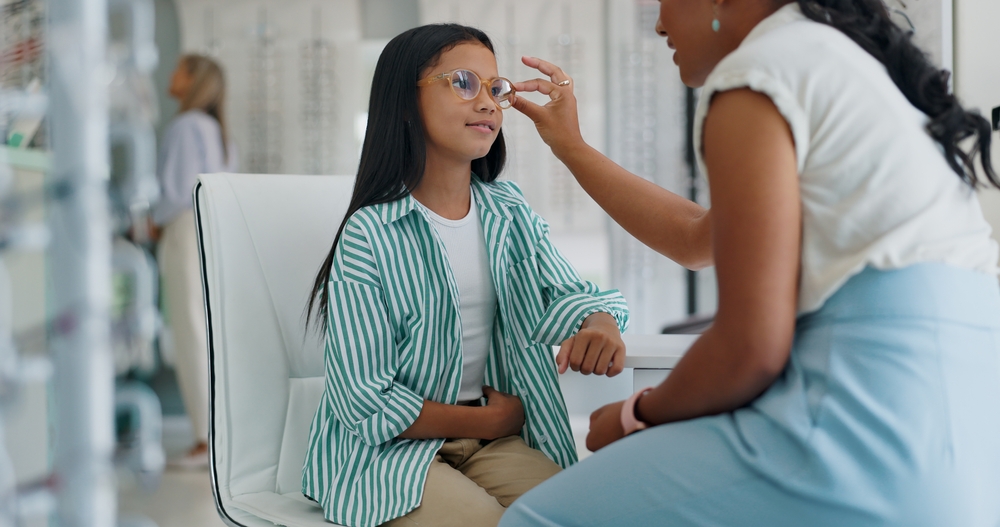
As a parent, ensuring your child’s overall health is a top priority, and their vision plays a crucial role in their development. From learning in the classroom to playing outdoors, good eyesight is essential for growth, confidence, and success. Understanding pediatric eye health and knowing when to seek professional care can make a significant difference in your child’s well-being.

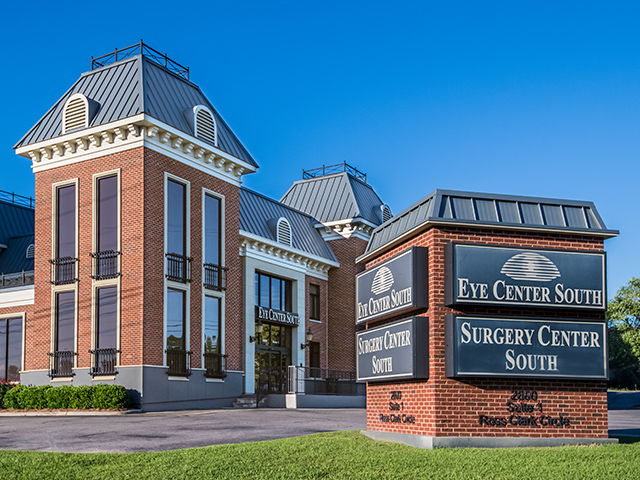

© 2026 Eye Center South.
All rights Reserved.
Managed & Designed by

© 2026 Eye Center South.
All rights Reserved.
Managed & Designed by