


Blog list

Each May, Healthy Vision Month reminds us just how vital it is to take care of our eyesight. Our eyes play a key role in nearly every part of our daily lives, yet they’re often overlooked when it comes to routine health care. At Vision Center South in Dothan, AL, we’re here to help you protect and preserve your vision with expert care and practical tips.

When you pick out a pair of glasses, you likely focus on the frames, the style, and how they look on your face. But what many people don’t realize is that the quality of the optical lab where your lenses are crafted plays an equally critical role in how well you see and how comfortable your glasses feel day after day.

Dry eye is a common condition that occurs when your eyes don’t produce enough tears or when the quality of your tears isn’t sufficient to keep the eyes lubricated. It can cause symptoms such as burning, itching, a gritty sensation, light sensitivity, and blurred vision. While over-the-counter drops may provide temporary relief, finding long-term relief means identifying and addressing the root cause of your dry eye.

You might think that if your vision seems clear, your prescription must still be accurate. However, that’s not always the case. Changes in your eye health can occur gradually and without obvious symptoms. Even if everything appears sharp and in focus, your prescription may still need to be adjusted. Understanding why these subtle changes happen, and why routine eye exams are essential can help you protect your vision for the long term.

Vision plays a critical role in your overall health and quality of life, and for women, maintaining healthy eyes involves more than just routine checkups. Hormonal shifts, life events like pregnancy and menopause, and age-related changes can all have a unique impact on your eyes. Understanding how these factors influence your vision empowers you to take proactive steps to protect it.

Living with diabetes means taking extra care of your health—and that includes your vision. One of the most serious complications that can arise from diabetes is diabetic retinopathy, a condition that affects the blood vessels in the retina and can lead to vision loss if not managed properly. Fortunately, there are proactive steps you can take to protect your eyesight.

At Vision Center South, delivering exceptional eye care goes well beyond your routine eye exam. From the moment you step into one of our locations, our mission is to provide you with a seamless, elevated experience—from selecting the right frames to receiving lenses that are precisely tailored to your needs. What sets us apart is our state-of-the-art, in-house optical laboratory.
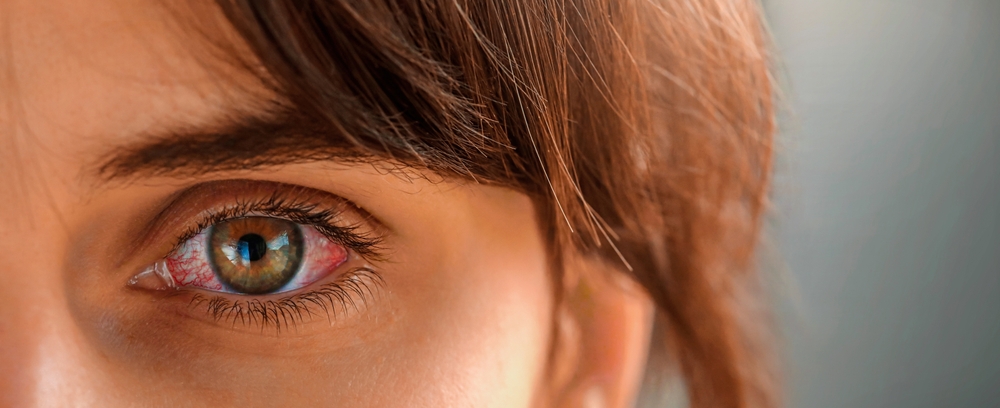
If your eyes often feel dry, gritty, or irritated, you might be dealing with dry eye syndrome—a common but sometimes overlooked condition that can affect your vision and quality of life. At Vision Center South, we believe in educating our patients on how to spot the signs of dry eye and what you can do to prevent and manage the discomfort.
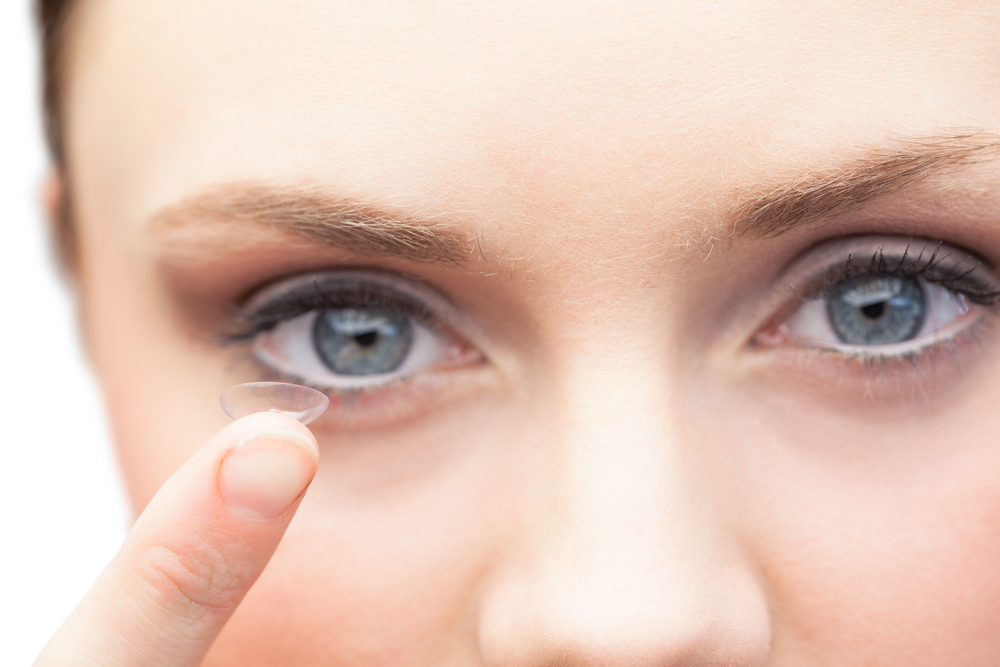
Whether you’re gearing up for an early morning workout or spending the day exploring all that Enterprise has to offer, contact lenses can be a game-changer for your vision and lifestyle. Lightweight, discreet, and effective, contacts offer convenience and freedom that traditional glasses often can’t match. But before you can enjoy the benefits, it's essential to understand your contact lens prescription and why getting a proper contact lens exam matters.

If your eyes often feel dry, gritty, or irritated, you might be dealing with dry eye syndrome—a common but sometimes overlooked condition that can affect your vision and quality of life. At Vision Center South, we believe in educating our patients on how to spot the signs of dry eye and what you can do to prevent and manage the discomfort.



© 2026 Eye Center South.
All rights Reserved.
Managed & Designed by

© 2026 Eye Center South.
All rights Reserved.
Managed & Designed by