


Blog list

Dry eyes is a common condition that occurs when your eyes do not produce enough tears or the tears evaporate too quickly. This can lead to discomfort, irritation, and even vision problems. There are several factors that can contribute to dry eyes, including age, certain medical conditions, medications, environmental factors, and even hormonal changes.

Protecting your eyes from the sun's harmful ultraviolet (UV) rays is crucial for maintaining long-term eye health and preventing serious conditions like cataracts, macular degeneration, and eye cancer. Summer is the perfect time to ensure you have the right pair of sunglasses to shield your eyes from these damaging rays.

As a parent, ensuring your child's vision health is a top priority. The right eyewear can make a significant difference in their overall well-being, academic performance, and quality of life. Choosing the appropriate eyewear for your child requires careful consideration of their unique needs, preferences, and lifestyle.

With the arrival of summer, many of us are eager to spend more time outdoors, enjoying the sun. However, increased exposure to ultraviolet (UV) radiation during outdoor activities can have significant implications for eye health. One condition that is particularly relevant during the summer is pterygium, also known as surfer’s eye. What Is Pterygium? Pterygium…

In our digital age, we spend countless hours staring at screens, whether it's a computer, smartphone, tablet, or television. While technology has undoubtedly enriched our lives in many ways, it also comes with potential risks to our eye health. One such concern is dry eye syndrome, a condition characterized by insufficient tear production or excessive tear evaporation, leading to discomfort and visual disturbances. As our screen time continues to escalate, it's crucial to understand the connection between prolonged digital device usage and dry eye, and take proactive steps to safeguard your ocular well-being.

As a parent, you want to ensure that your child has every opportunity to thrive, both academically and socially. However, vision problems can significantly impact your child's ability to learn and develop, often going unnoticed until they become more severe. Proper vision is crucial for various aspects of a child's growth, including reading, writing, and participating in sports or other physical activities.

June is National Fireworks Safety Month! As the festive season approaches, the skies light up with vibrant displays of fireworks, creating a mesmerizing spectacle for all to enjoy. However, amidst the excitement and celebration, it is crucial to prioritize safety, especially when it comes to protecting your eyes. Fireworks, while captivating, can pose significant risks if not handled with utmost care and caution.
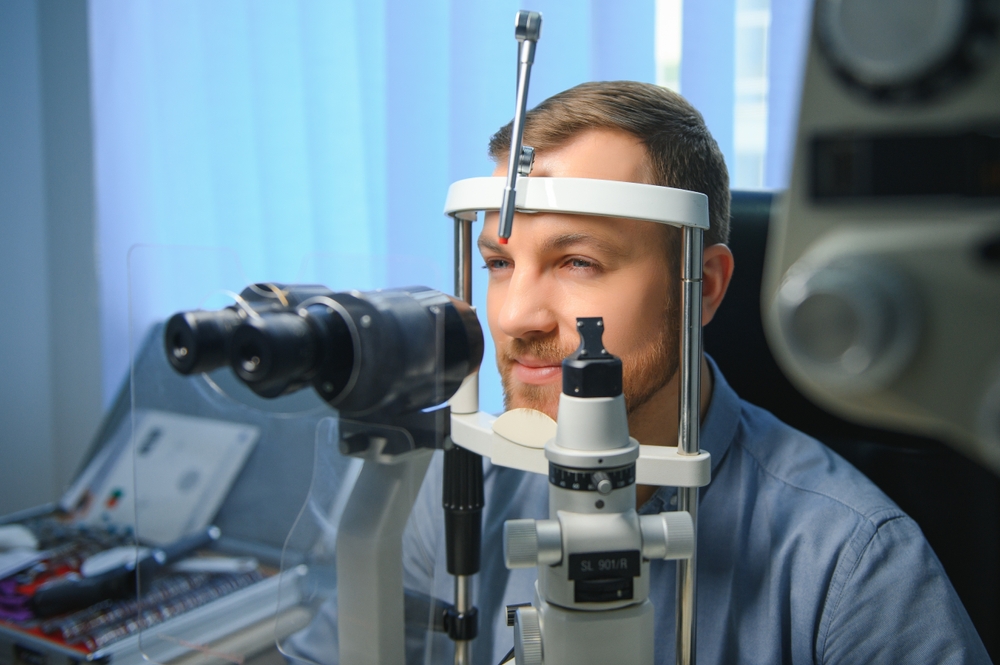
Glaucoma is a leading cause of vision loss worldwide. This condition often arises when the fluid pressure inside the eye increases, putting undue strain on the delicate optic nerve fibers responsible for transmitting visual information to the brain. If left untreated, glaucoma can gradually erode your peripheral vision, eventually leading to complete blindness.
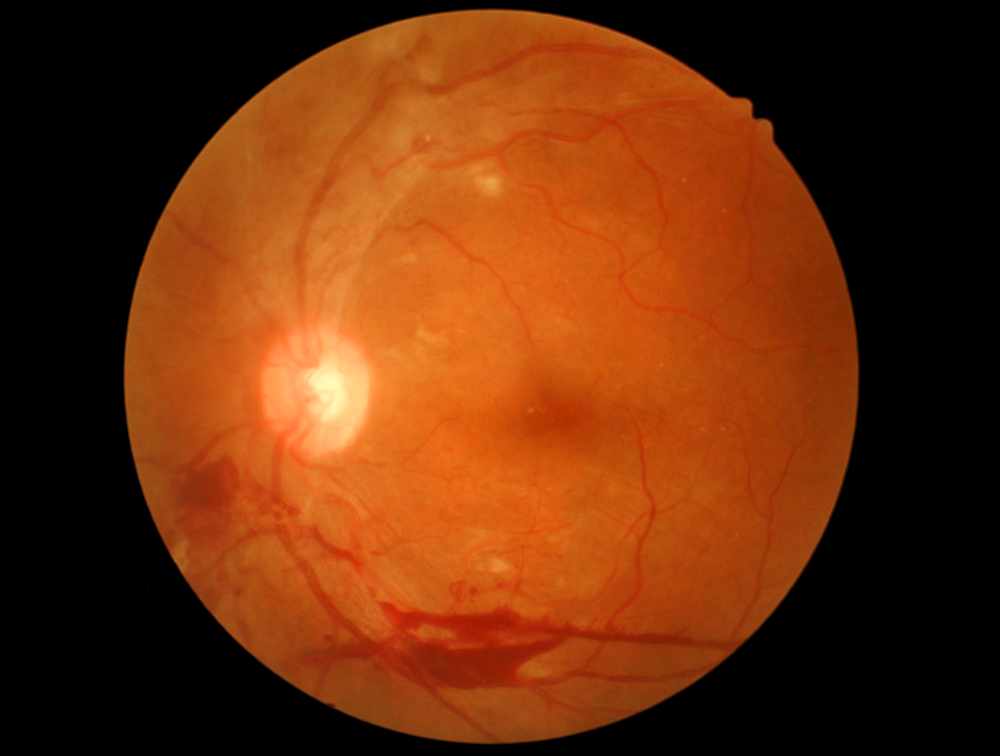
Diabetic retinopathy affects the delicate blood vessels that nourish the retina, the light-sensitive tissue at the back of the eye. As this condition progresses, it can lead to vision impairment and, in severe cases, blindness. If you or a loved one has been diagnosed with diabetes, understanding diabetic retinopathy is crucial for preserving your eyesight and overall well-being.

In the realm of vision correction, contact lenses have emerged as a popular and convenient alternative to traditional eyeglasses. These tiny, flexible lenses are designed to rest directly on the eye, providing a seamless and natural-looking solution for those seeking to enhance their visual acuity. However, before embarking on the journey of wearing contact lenses, it's essential to understand the process of a contact lens exam, which plays a crucial role in ensuring a safe and comfortable experience.



© 2026 Eye Center South.
All rights Reserved.
Managed & Designed by

© 2026 Eye Center South.
All rights Reserved.
Managed & Designed by