

Blog list
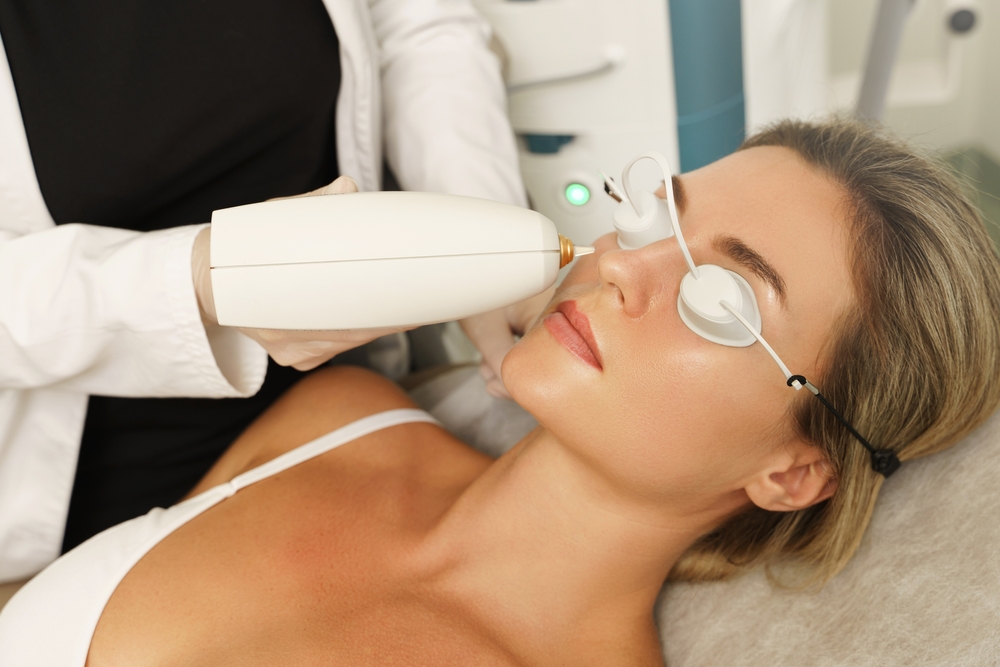
Dry eye is a common condition that affects millions of individuals worldwide. It occurs when there is a disruption in the tear film, leading to symptoms such as dryness, irritation, and blurred vision. Understanding the causes and symptoms of dry eye is crucial in finding effective treatment options. In recent years, there have been significant advancements in the field of dry eye treatment.

When we think of athletic performance, we often focus on physical fitness, strength, and skill. However, one aspect that is often overlooked but crucial for success is vision. Athletes rely heavily on their vision to track moving objects, judge distances, and react quickly.

Pediatric eye exams play a vital role in ensuring that your child's eyes are healthy and functioning optimally. These exams go beyond checking for visual acuity; they also assess the overall health of the eyes, including the structure and alignment. By detecting any potential issues early on, such as refractive errors or eye conditions, pediatric eye exams can prevent long-term complications and ensure that your child's vision is not hindering their daily activities or learning abilities.
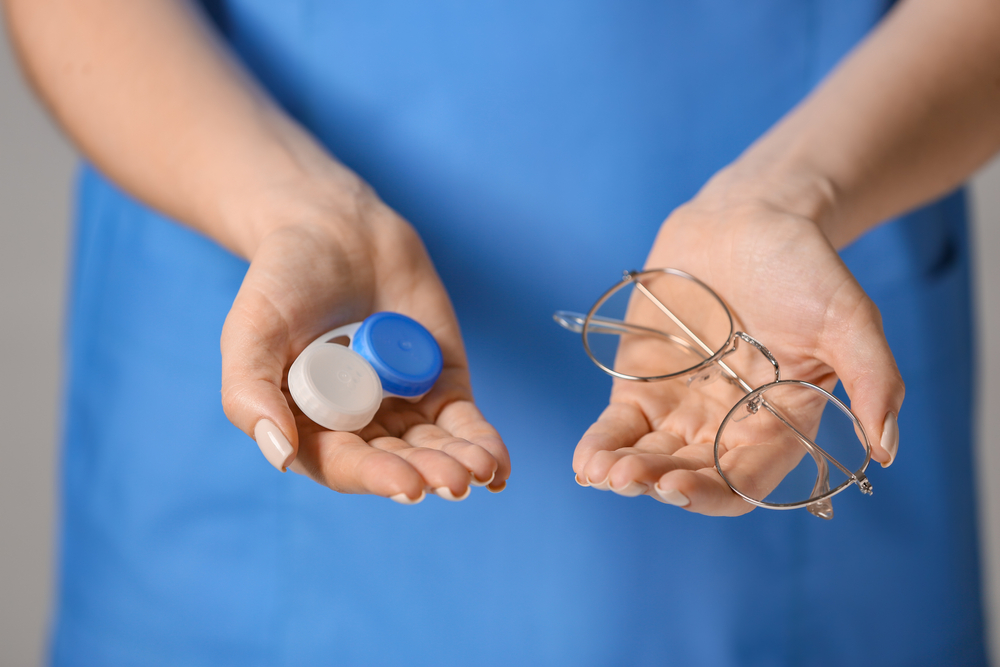
When it comes to correcting your vision, there are two primary options: glasses and contact lenses. Both offer effective solutions to refractive errors, which are the most common vision problems people experience. Refractive errors occur when the shape of your eye prevents light from focusing directly on the retina, resulting in blurred or distorted vision.

Living with diabetes requires managing various aspects of your health, and one crucial area that often gets overlooked is eye health. Diabetes can significantly impact your vision, making it essential to stay proactive in monitoring and protecting your eyes.

May is national healthy vision month, a time to raise awareness about the importance of taking care of our eyes and maintaining optimal eye health. This month, let's celebrate healthy vision by learning how to protect and maintain our precious eyesight.

Eye Center South in Dothan is proud to announce the availability of iDose® TR (travoprost intraocular implant) 75 mcg. iDose TR is a new, FDA approved treatment that is designed to provide long duration, continuous drug therapy directly inside the eye, helping patients take better control over the elevated eye pressure associated with open-angle glaucoma…

Dr. Marius Heersink will join the Dothan clinic medical staff this August. He recently completed his residency at Wills Eye Institute in Philadelphia, Pennsylvania with a focus on Comprehensive ophthalmology, cornea, and refractive surgery. In 2020 he earned his Dual Medical Doctorate (MD) and Master of Business Administration (MBA) from the UAB Heersink School of…

ECS-Destin recently received the 2024 “Best of Destin” award for “Best Eye Care Clinic” for the 6th year in a row! Jackie Williamson recently attended the VIP Destin Magazine Black Tie Gala at the San Destin Hilton to receive our award. We are honored that the Destin community continues to support us as their top choice for quality specialty eyecare.

Staying hydrated is crucial for maintaining good overall health. Water plays a vital role in numerous bodily functions, including digestion, circulation, and temperature regulation. When it comes to eye health, hydration is just as important. Adequate hydration helps keep your eyes lubricated, maintains their natural moisture balance, and supports optimal vision.



© 2026 Eye Center South.
All rights Reserved.
Managed & Designed by

© 2026 Eye Center South.
All rights Reserved.
Managed & Designed by