

Blog list
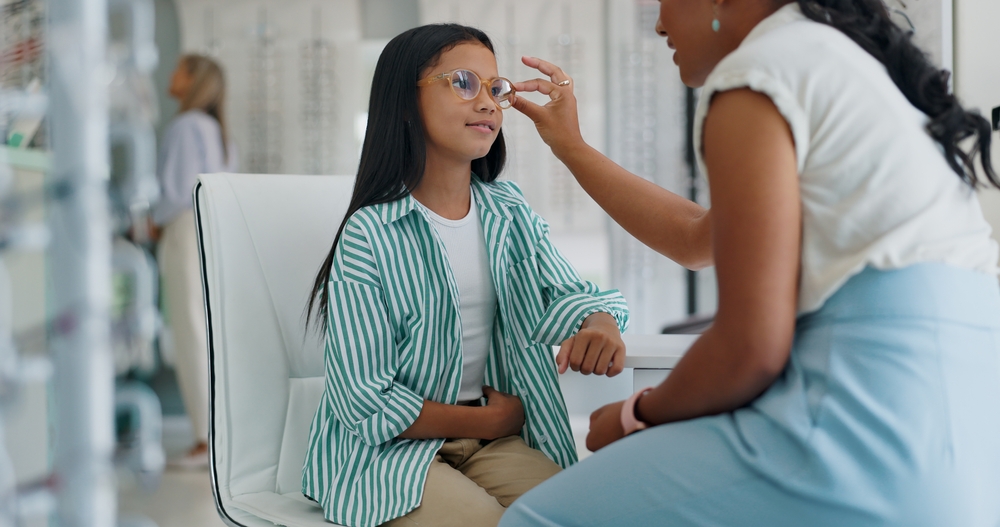
As a parent, ensuring your child’s overall health is a top priority, and their vision plays a crucial role in their development. From learning in the classroom to playing outdoors, good eyesight is essential for growth, confidence, and success. Understanding pediatric eye health and knowing when to seek professional care can make a significant difference in your child’s well-being.
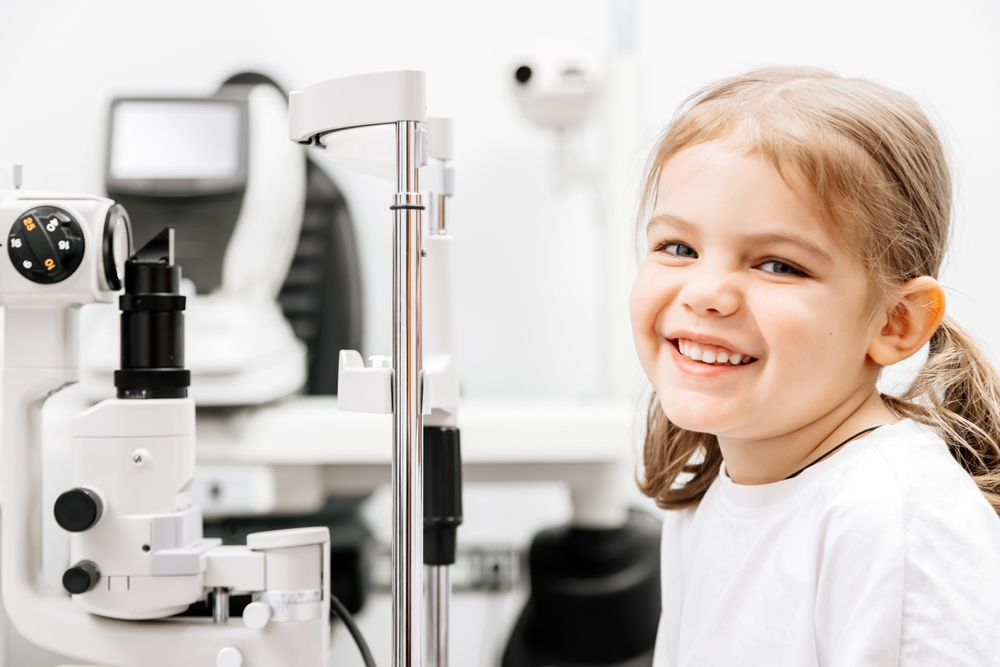
Many parents may not realize how essential regular eye exams are for their child’s development. Clear vision plays a critical role in learning, social interactions, and physical coordination. But how often should a child have an eye exam? This guide explores the importance of pediatric eye care, common childhood eye conditions, and why annual exams are necessary.
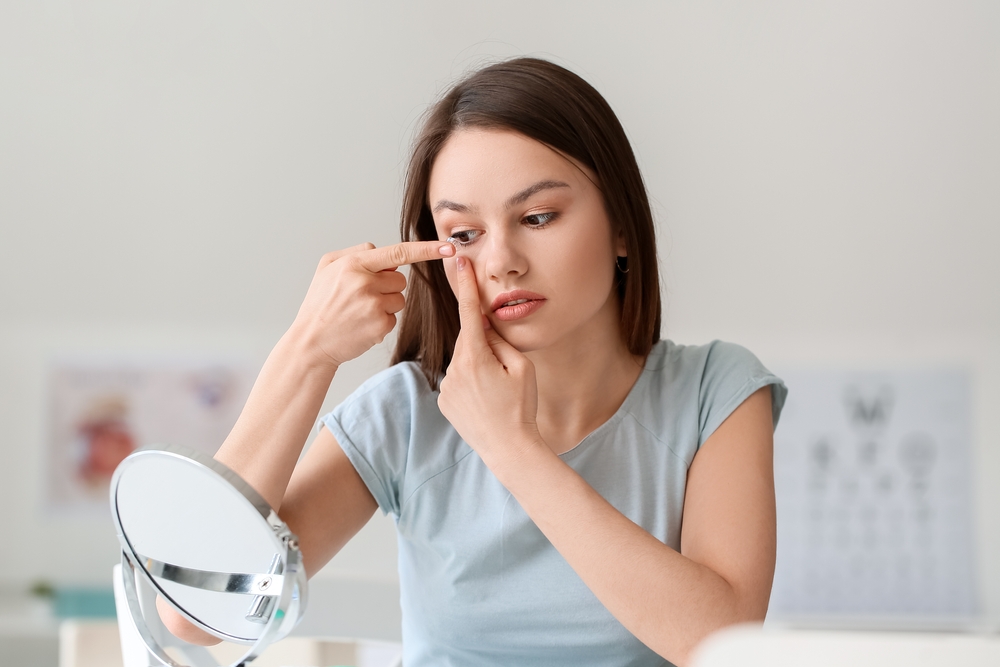
Contact lenses offer a convenient and effective way to correct vision, but they can sometimes contribute to dry eye symptoms. If you experience discomfort, redness, or a gritty sensation while wearing contacts, you’re not alone. Understanding the relationship between contact lenses and dry eye, along with best practices for lens wearers, can help you maintain eye health and comfort.

Dry eye is a common condition that affects millions of people, and its symptoms can vary depending on the season. Environmental factors such as humidity, temperature, wind, and allergens all play a role in exacerbating dryness and irritation. Understanding how each season impacts your eyes can help you take proactive steps to manage symptoms year-round.

Your eyes and heart are more connected than you might think. In fact, changes in your eyes can signal underlying heart issues—sometimes before you notice other symptoms. Understanding this connection can help you better protect both your heart and your vision in the long run.

Chronic dry eye is a persistent and often frustrating condition that affects millions of people worldwide. Unlike occasional dryness caused by environmental factors, chronic dry eye requires long-term management to prevent discomfort and vision complications. Understanding the causes, symptoms, and treatment options can help you take proactive steps toward relief.
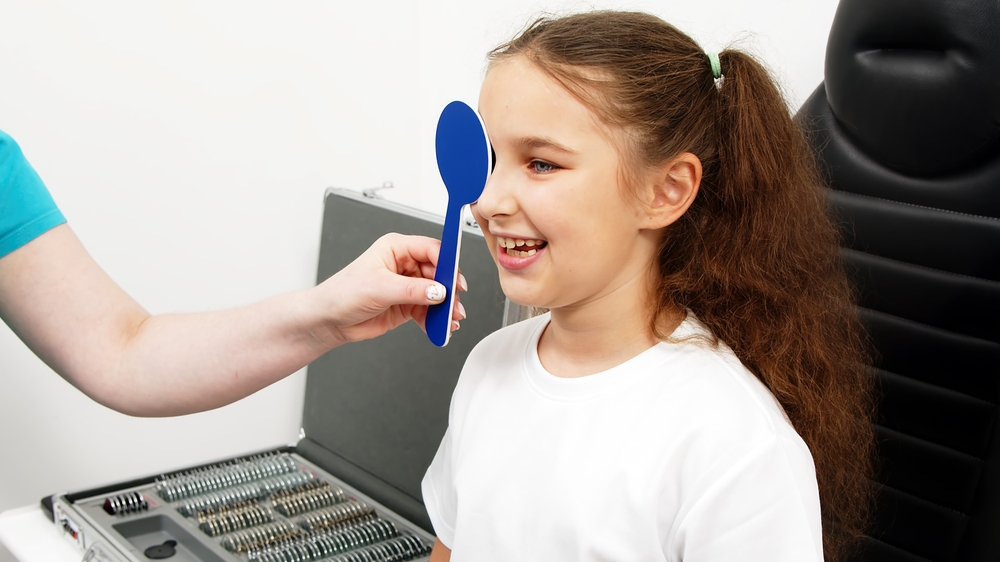
As children grow, their vision plays a crucial role in their learning and development. From reading books to exploring the world around them, good eyesight is essential for their success in school and daily activities. Taking proactive steps to maintain your child’s eye health can help prevent vision problems and ensure they develop strong visual skills. Here are some key vision care tips to help your child maintain healthy eyes from an early age.

Myopia, or nearsightedness, is one of the most common vision conditions in children today. This refractive error makes it difficult to see objects clearly at a distance, while near vision remains unaffected. With the rise of digital devices and reduced outdoor activity, myopia rates are increasing globally, making early intervention more important than ever. At Vision Center South, we believe in empowering parents with the knowledge to take proactive steps to protect their child’s vision.
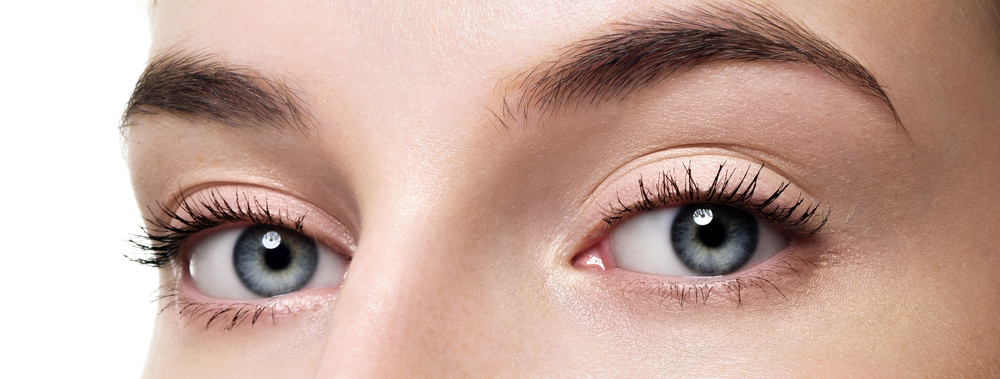
For many people, contact lenses are a convenient and comfortable solution for correcting vision. Whether you’re new to wearing contacts or have been using them for years, regular eye exams are an essential part of maintaining your eye health. At Vision Center South, we emphasize the importance of these checkups to ensure your eyes remain healthy and your contact lenses continue to provide optimal vision correction.
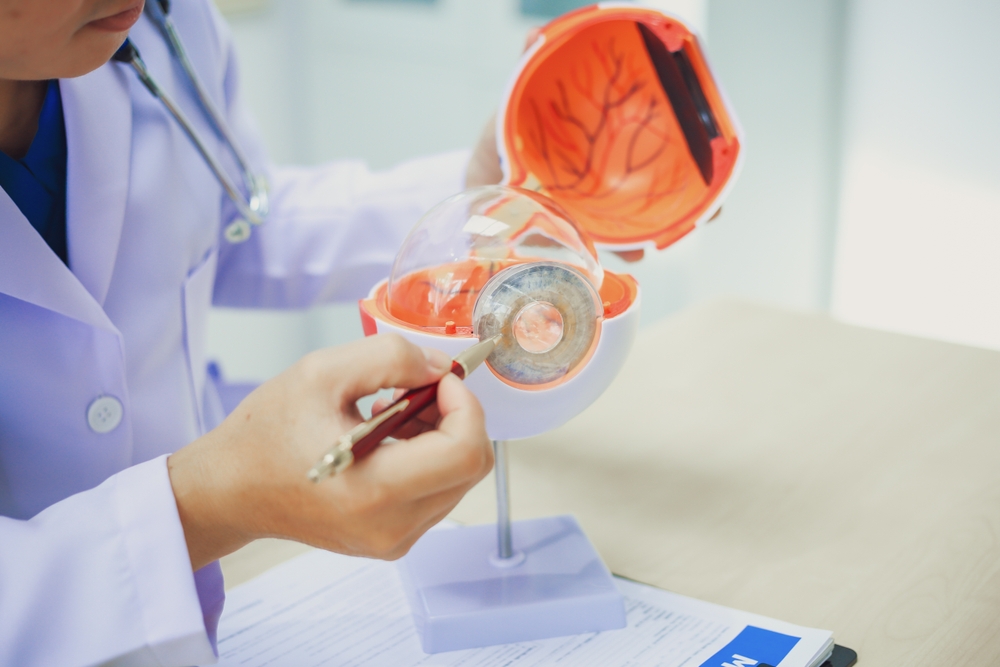
Glaucoma is often referred to as the "silent thief of sight" because it can cause irreversible damage to your vision without any noticeable warning signs. Early detection is key to preserving your eyesight, making it crucial to understand the early signs and symptoms of this condition.



© 2026 Eye Center South.
All rights Reserved.
Managed & Designed by

© 2026 Eye Center South.
All rights Reserved.
Managed & Designed by