
Diabetic Retinopathy: Early Diagnosis and Expert Treatment for Lasting Vision
For people living with diabetes, maintaining healthy vision is an essential part of managing overall health. One of the most serious complications diabetes can cause is diabetic retinopathy—a progressive eye disease that can lead to vision loss if not detected and treated early. At Eye Center South, our specialists are committed to helping patients protect and preserve their sight through early diagnosis, advanced treatment, and ongoing care.

What Is Diabetic Retinopathy?
Diabetic retinopathy is a complication of diabetes that affects the light-sensitive tissue at the back of the eye—the retina. High blood sugar levels can damage the retina’s tiny blood vessels, causing them to leak fluid or bleed. Over time, this can lead to swelling, scarring, and even abnormal blood vessel growth.
There are two primary stages of diabetic retinopathy:
- Non-proliferative Diabetic Retinopathy (NPDR): The earliest stage, where blood vessels weaken and begin to leak. Vision changes may be mild or unnoticeable at this point.
- Proliferative Diabetic Retinopathy (PDR): The more advanced stage, where damaged vessels close off and new, fragile blood vessels grow. These can leak blood into the eye and increase the risk of vision-threatening complications, such as retinal detachment.
Signs and Symptoms to Watch For
Diabetic retinopathy often develops silently, without noticeable changes in vision early on. As the condition worsens, symptoms can include:
- Blurred or fluctuating vision
- Dark or empty areas in your field of vision
- Difficulty seeing at night
- Spots or floaters
- Sudden vision loss
If you experience any of these changes, contact Eye Center South right away. Early detection is key to successful management and prevention of vision loss.
How Diabetic Retinopathy Is Diagnosed
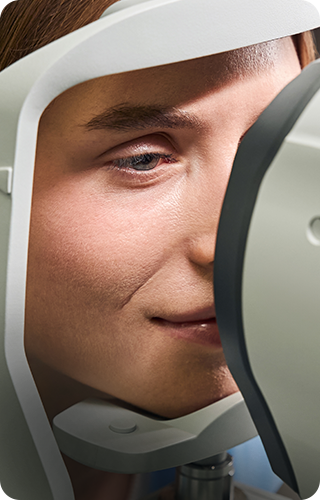
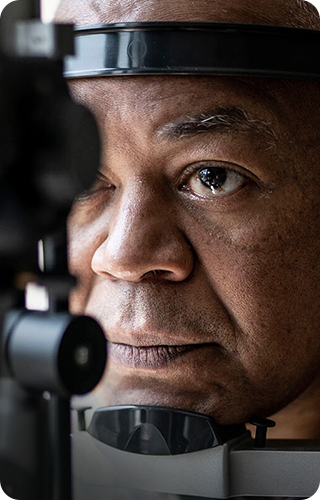
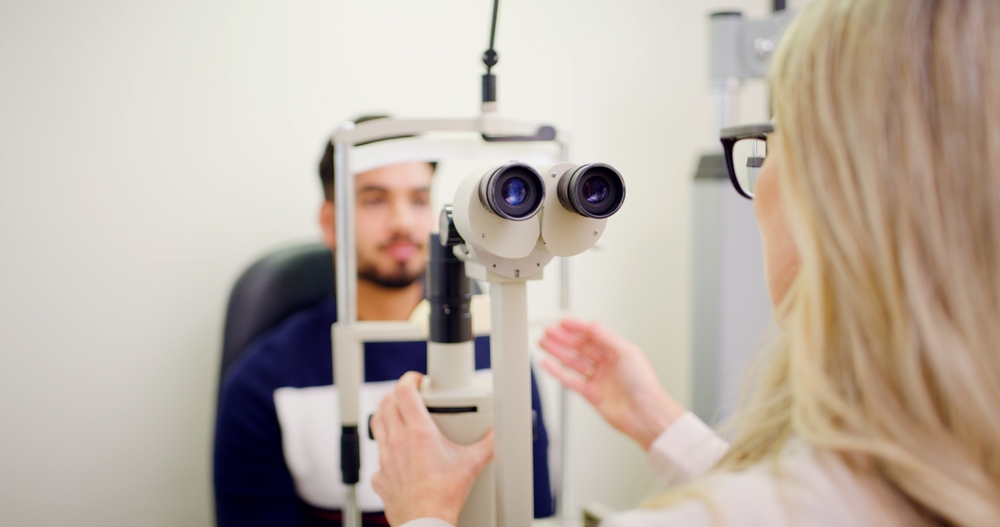
A comprehensive, dilated eye exam is the best way to detect diabetic retinopathy. During this exam, your ophthalmologist uses special imaging techniques—such as optical coherence tomography (OCT) or fluorescein angiography—to check the health of your retina and evaluate any damage caused by diabetes.
Regular eye exams are essential for anyone with diabetes:
- Type 1 diabetes: You should have your first exam within five years of diagnosis.
- Type 2 diabetes: Schedule your first exam as soon as possible after diagnosis.
- Pregnant women with diabetes: A comprehensive eye exam is recommended before pregnancy or in the first trimester.
Treatment Options and Prevention
While early diabetic retinopathy can sometimes be managed with careful blood sugar control, more advanced stages may require treatment to prevent further vision damage. Options may include:
- Laser therapy (photocoagulation): Seals leaking blood vessels and slows abnormal growth.
- Anti-VEGF injections: Reduces swelling and helps control new vessel formation.
- Vitrectomy: A surgical procedure to remove blood or scar tissue from the vitreous gel inside the eye.
Maintaining stable blood sugar, blood pressure, and cholesterol levels plays a major role in slowing the progression of diabetic retinopathy. Healthy lifestyle choices—such as following a diabetes-friendly diet, exercising regularly, and avoiding tobacco use—also support long-term eye health.
Protect Your Sight with Early Action
Diabetic retinopathy can lead to irreversible vision loss, but with early detection and expert treatment, it’s preventable. At Eye Center South, our retina specialists have extensive experience in diagnosing and managing diabetic eye disease, utilizing the latest technology and treatment methods. If you have diabetes, schedule a comprehensive eye exam today at one of our six locations in Dothan, Destin, Montgomery, Tallahassee, or one of our two locations in Panama City at: 800-467-1393. Regular checkups can make all the difference in protecting your vision for years to come.