
Living with diabetes means paying close attention not only to blood sugar levels, but also to long-term complications—including those that affect your vision. Diabetic retinopathy is a leading cause of vision loss in adults and often develops without early warning signs, making regular eye exams critical for protection. At Eye Center South, our team is committed to early detection, advanced treatment, and ongoing support to help you preserve healthy sight.
How Diabetes Affects the Retina
Diabetic retinopathy occurs when prolonged high blood sugar damages the tiny blood vessels in the retina, the light-sensitive tissue at the back of the eye. These weakened vessels can leak fluid or blood, causing swelling, scarring, and eventually the growth of abnormal new vessels in more advanced stages. Over time, this can lead to complications such as macular edema, vitreous bleeding, retinal detachment, glaucoma, and even permanent vision loss if left untreated.
There are two main forms of diabetic retinopathy: nonproliferative (early) disease, where damaged vessels leak or close off, and proliferative (advanced) disease, where fragile new vessels grow on the retina and can bleed or pull on the retina. Good control of blood sugar, blood pressure, and cholesterol can slow this damage, but regular eye exams remain essential.
Symptoms to Watch For
In its earliest stages, diabetic retinopathy may cause no noticeable vision changes, which is why people with diabetes can feel their eyes are “fine” even as damage progresses. As the condition worsens, symptoms may include:
- Blurry or fluctuating vision.
- Dark spots, floaters, or cobweb-like strands in your vision.
- Dark or empty areas in the field of view.
- Difficulty seeing at night or reading fine print.
- Sudden, severe vision loss, often from bleeding inside the eye.
Any sudden change in vision—especially flashes, new floaters, or a shadow in your vision— should be treated as urgent and evaluated promptly.
Screening Recommendations for Diabetic Patients
Because diabetic retinopathy can be silent early on, professional guidelines emphasize routine dilated eye exams for everyone with diabetes. In general:
- People with type 1 diabetes should have a comprehensive eye exam within five years of diagnosis, then yearly.
- People with type 2 diabetes should have an exam at or soon after diagnosis, then yearly.
- Pregnant women with diabetes should have an eye exam before pregnancy or in the first trimester and may need more frequent follow-up.
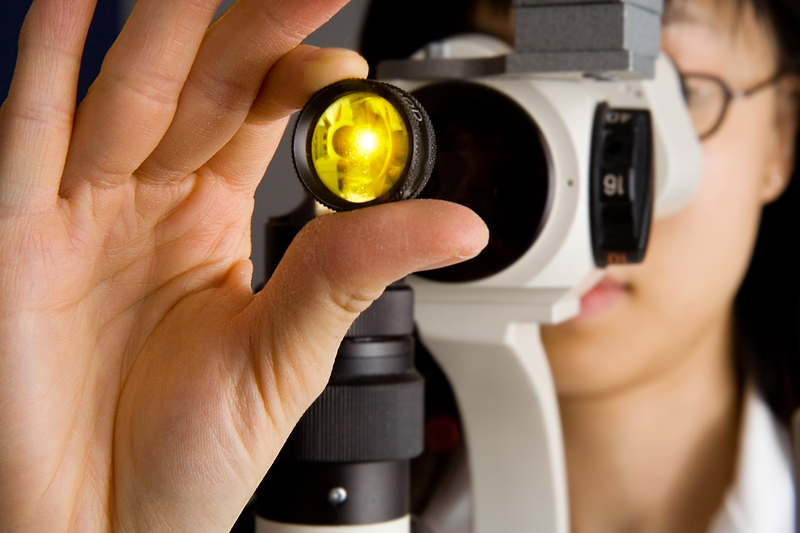
At Eye Center South, a comprehensive diabetic eye exam typically includes vision testing, measurement of eye pressure, a detailed evaluation of the retina and optic nerve through a dilated exam, and advanced imaging when needed—such as optical coherence tomography (OCT) or retinal photography—to detect subtle changes.
Treatment Options at Eye Center South
The best strategy is prevention through good diabetes control and regular screening, but effective treatments are available when diabetic retinopathy develops. Depending on the type and severity of disease, your Eye Center South ophthalmologist may recommend:
- Careful monitoring in early stages, combined with improved blood sugar, blood pressure, and cholesterol management.
- Laser photocoagulation, which seals leaking vessels or shrinks abnormal new vessels to reduce the risk of bleeding and further damage.
- Anti-VEGF injections, medications placed directly into the eye to reduce swelling and stop abnormal vessel growth, often used for diabetic macular edema and proliferative disease.
- Steroid injections or implants to reduce retinal inflammation and swelling in select cases.
- Vitrectomy surgery to remove blood-filled vitreous gel or scar tissue when bleeding or traction threatens vision.
With timely diagnosis and modern therapies, many patients are able to maintain useful vision and prevent severe vision loss.
Partner with Eye Center South to Protect Your Vision
If you have diabetes, scheduling regular comprehensive eye exams is one of the most important steps you can take to protect your sight. The specialists at Eye Center South have extensive experience managing diabetic eye disease and will work closely with your primary care doctor or endocrinologist to support your overall health.
Make this February the month you prioritize your eyes—contact Eye Center South at 800-467-1393 to schedule your diabetic eye exam and take a proactive step toward preventing diabetic retinopathy.